2022-2023 was another interesting year. We asked ourselves after the first phase of the pandemic – how has the world changed? In particular in the world of work. Our staff was the frontline of the battle and thrived through the challenges.
Clients experienced enormous pressures during the pandemic, and now, with the cost of living skyrocketing and creating stress in families, couples and individuals.
As challenging as 2022 and 2023 have been, I’m proud to say we continue to provide critical support to vulnerable clients, experience good growth, and receive further funding to existing programs. We are a leader in providing elder abuse support and prevention.
Rachel Holthouse
Chair of the Board
As we emerged from the constraints of COVID, new challenges awaited. A tense geopolitical landscape, economic pressure and skills shortages have impacted services and the cost of living. An unprecedented need for mental health support has been noted across Australia as people seek ways to help them navigate uncertain times.
Better Place Australia recognised this need early and was able to adapt and adjust services to reach out to more Victorians. 29,000 inbound calls were received and over 48,000 sessions were provided to clients while straddling the new hybrid approach to working. Our practitioners strove to achieve a balance between face to face and remote services, recognising the most vulnerable clients often needed to be with people in a safe and reassuring way.
The response from those we helped was positive with 95% of clients expressing satisfaction with our services and 97% of clients stating that they would recommend BPA. We are challenging ourselves at BPA to capture the client voice as often as possible to ensure our services and support are reflective of their expectation and needs. We are also exploring ways to integrate services across therapeutic interventions, to offer more mental health services at this time of high demand.
Taking the lead in caring for older members of our community has become a signature piece for BPA, and we are now recognised as a leader in elder abuse prevention advocacy. Ageism is a hidden phenomenon that is not yet fully recognised across Australia and attitudes towards older people need to change. BPA is contributing to building understanding by chairing Elder Abuse Prevention networks and advocating for change in the mental health and aged care sectors. In addition, we expanded our support of older people through our residential facility program and the Elder Abuse Prevention service to the Orange Doors as a way of reducing social isolation, addressing risks to elder abuse, and increasing mental well-being.
This year BPA also opened a Child Contact Centre at Narre Warren to increase family resilience. We have helped over 900 clients through children’s programs and presented at key conferences in the family and relationships sector. There is still much work that needs to be done, but we can see the difference services like the Contact Centre is making to the lives of many families. Another important initiative that BPA has cultivated is The Way Back Support Service, a non-clinical suicide prevention and support service which provides vital psychosocial support to those at a very vulnerable stage in their lives. The service helps participants remain safe in the crucial 12 weeks post an attempt, and to prosper beyond this time.
Financial sustainability is critical to ensure we can continue to respond to the needs of the community and BPA consistently performs well. Due to its reputation for delivering on the promise, we continue to attract funding to help us reach out to those in need. BPA has a strong record of prudent management of resources and for quality client service which our mid-term Quality Innovation Performance Limited (QIP) results confirm.
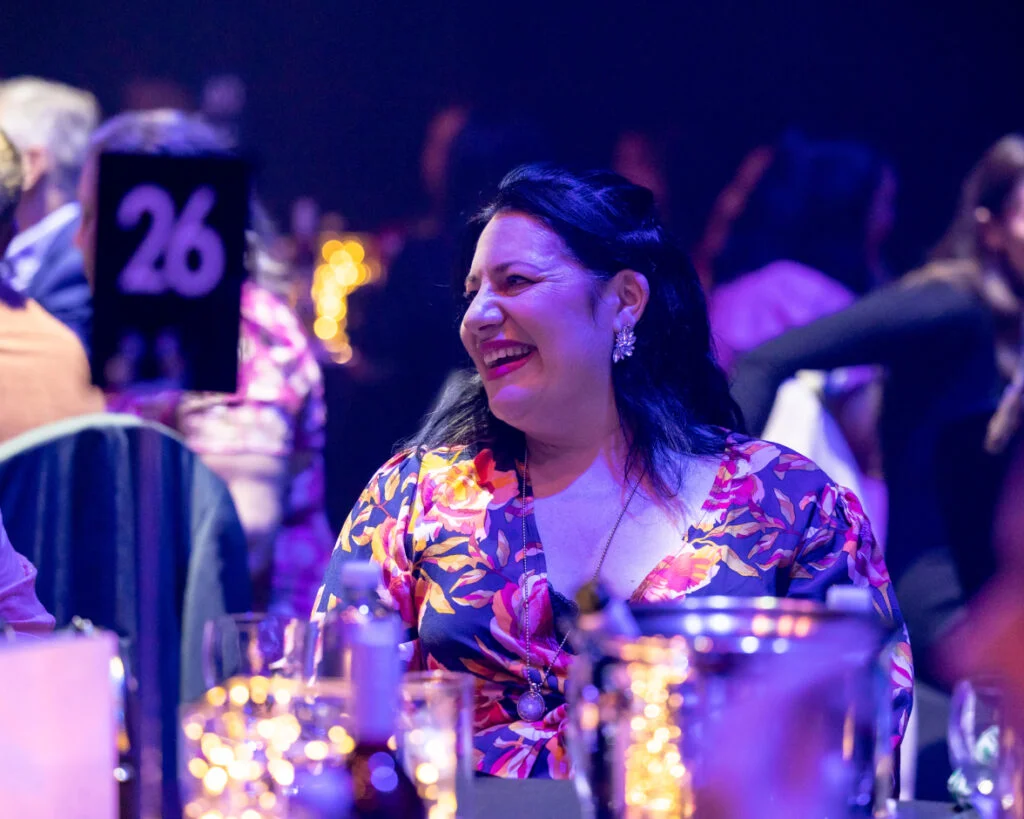
Our own community at BPA continue to be amongst our greatest ambassadors. Despite periods of restriction, our staff celebrated World Elder Abuse Awareness Day, Reconciliation Week, Pride month, IDAHOBIT day, R U OK? day and have been active in LGBTIQ+ Committee and Family Violence networks. We are beholden to the dedication of the many individuals that play a role, whether that is our empathetic and talented practitioners, managers and support staff, CEO and Executive or volunteer Board members and we are grateful for the professionalism and dedication each person brings. Together we can be proud of the difference we make in so many lives and the part we are playing in fostering a caring society.

Better Place Australia extends our support for the 2017 Uluru Statement from the Heart. The Uluru Statement from the Heart is an invitation to the Australian people, from First Nations Australians, to walk together and build a better future by establishing a First Nations Voice to Parliament, enshrined in the constitution, and establishing the Makarrata Commission for the purpose of treaty-making and truth-telling.
Meet and move through life transitions with resilience, curiousity and confidence.
Understand how your relationship has changed and what you both want for its future.
Create a safe space for your children to manage their emotions during parental separation or family conflict.
Overcome personal challenges by building the right habits and strategies and a positive mindset.
Feel seen and supported in tackling challenges that are unique to you and your community.
Helping families in Frankston and Mornington Peninsula stay on top of their mental health and wellbeing.
Reach a mutual agreement on parenting or financial disputes without risking a relationship breakdown
Protect your mental health while discussing the distribution of property and financial assets during a separation.
Establish emotional security for your child by strengthening their connection with both parents during your separation.
Feel empowered and supported to resolve conflicts with family or carers and make decisions about your future.
Nurturing the mental health of clients in aged care homes across the Mornington Peninsula, Geelong-Otway regions, and Northern region of Melbourne.
Maintain your independence as an older Australian living alone through free aged care services in your home.
Helping aged care residents improve their health, functioning and well-being.
Taking care of those at risk of suicide through a support network and mental health services.
Future-proof your financial health by learning essential financials skills, literacy and capability.
Lift yourself out of financial difficulties with the right information, support, assistance and advocacy.
Get accredited under the Australian National Mediator Accreditation System (NMAS) and help Australians through the process of dispute and conflict resolution.
Learn new ways of parenting and building a relationship with your child.
We strive to do things better – always looking to innovate our services, make access easier and the experience more fulfilling for our clients.

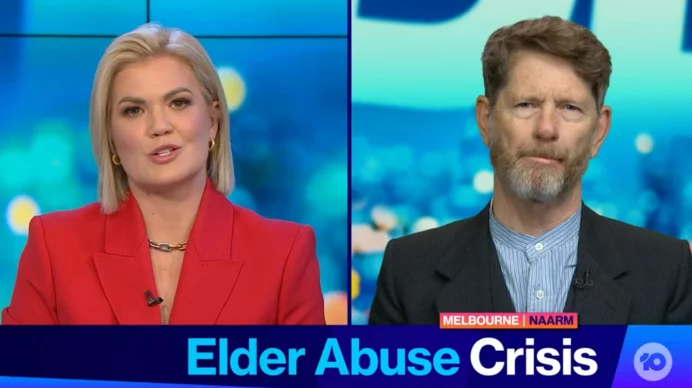
We launched a public awareness campaign this year with Executive Manager Graeme Westaway calling for the reinstatement of specialist family violence services for the older person. This was sparked by the state government’s decision to defund the successful Integrated Model of Care (IMOC). The campaign garnered positive media attention and we’ll keep advocating strongly for our older clients who now face complex pathways of care.
Obtaining an accreditation against the Rainbow Tick Standards 3rd edition is essential to strengthening our support for our LGBTIQ+ clients. The accreditation will further our commitment to providing a safe and inclusive space and service for our LGBTIQ+ community.

Our partnership with Swinburne University has produced online mental health learning and capability programs for Residential Aged Care Facility (RACFs) staff and a model of care for its clients and families. We’ve also co-designed two group therapy modules for these facilities.
Leading elder abuse prevention in the Southern Melbourne catchment.

Supporting individuals after a suicide attempt or serious ideation planning.
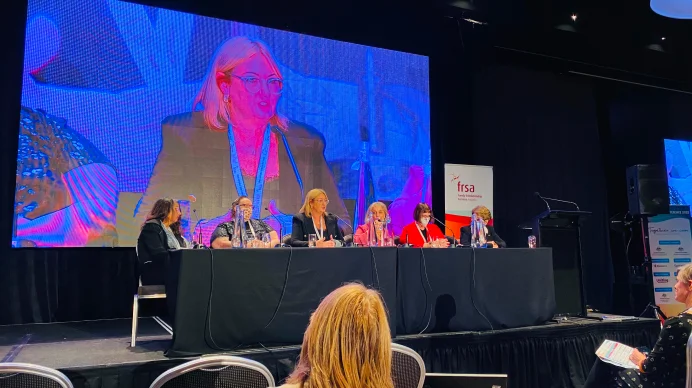
Presented and initiated dialogue at national conferences.
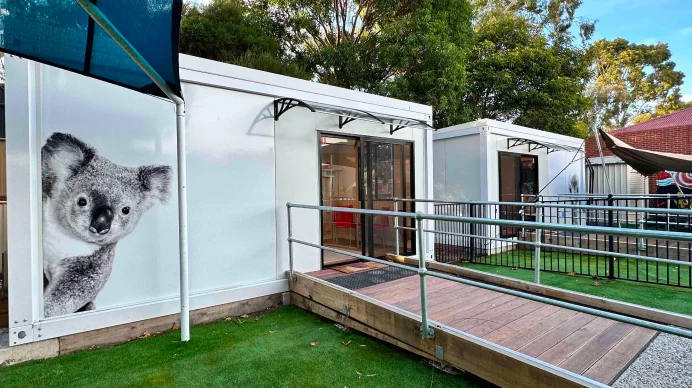
Children’s contact centres play an important role in helping children adjust to separation without losing connection to their parents and family members. We launched the service at two sites this year – Narre Warren and Sale. Both sites offer their respective regions easier and affordable access to key family and relationship services during a separation.
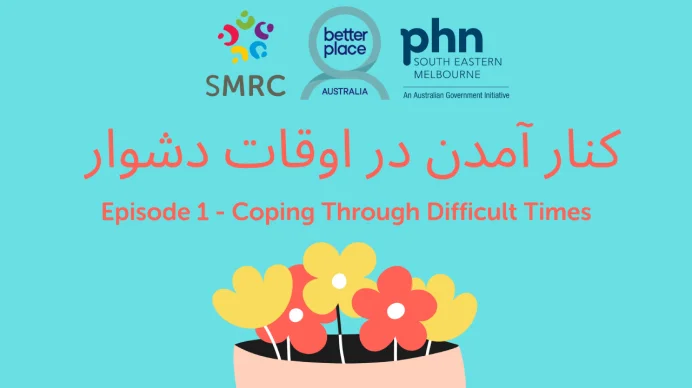
We’ve rolled out more initiatives around inclusivity and accessibility over the year. The diversity of our Consumer Advisory Committee stakeholder provides different perspectives on social issues which broaden our understanding. We’ve also expanded our work with CALD communities through research on suicide prevention in these communities and the launch of a foreign language podcast.

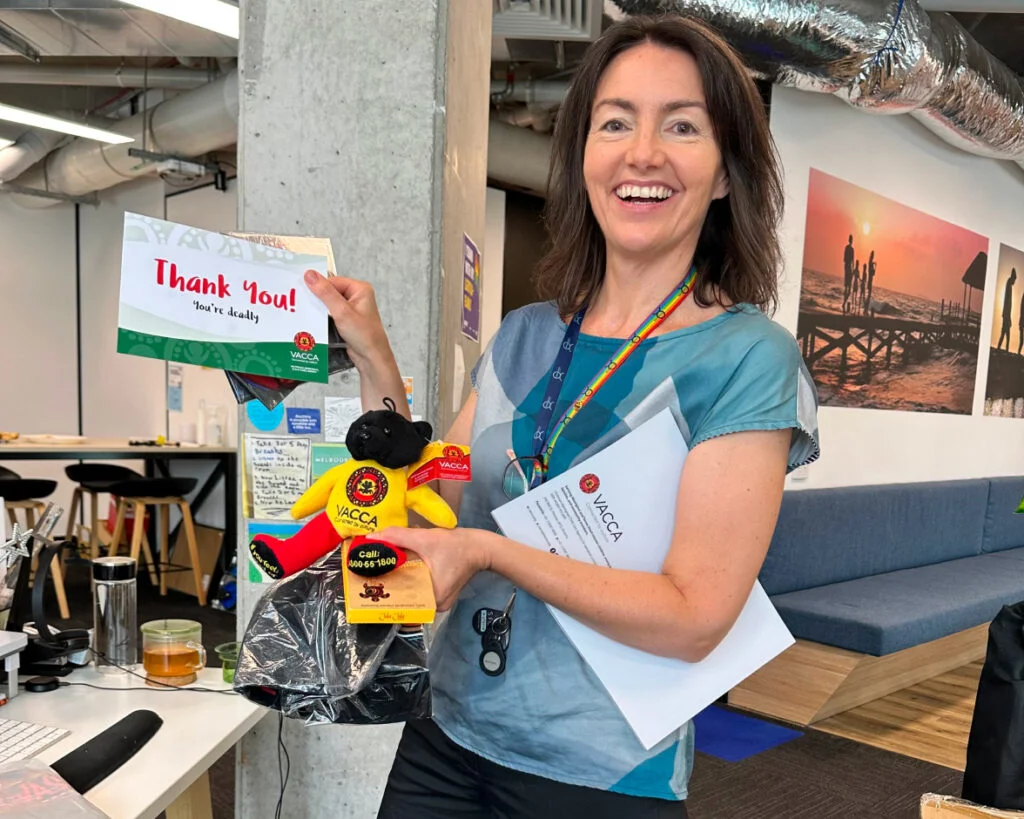
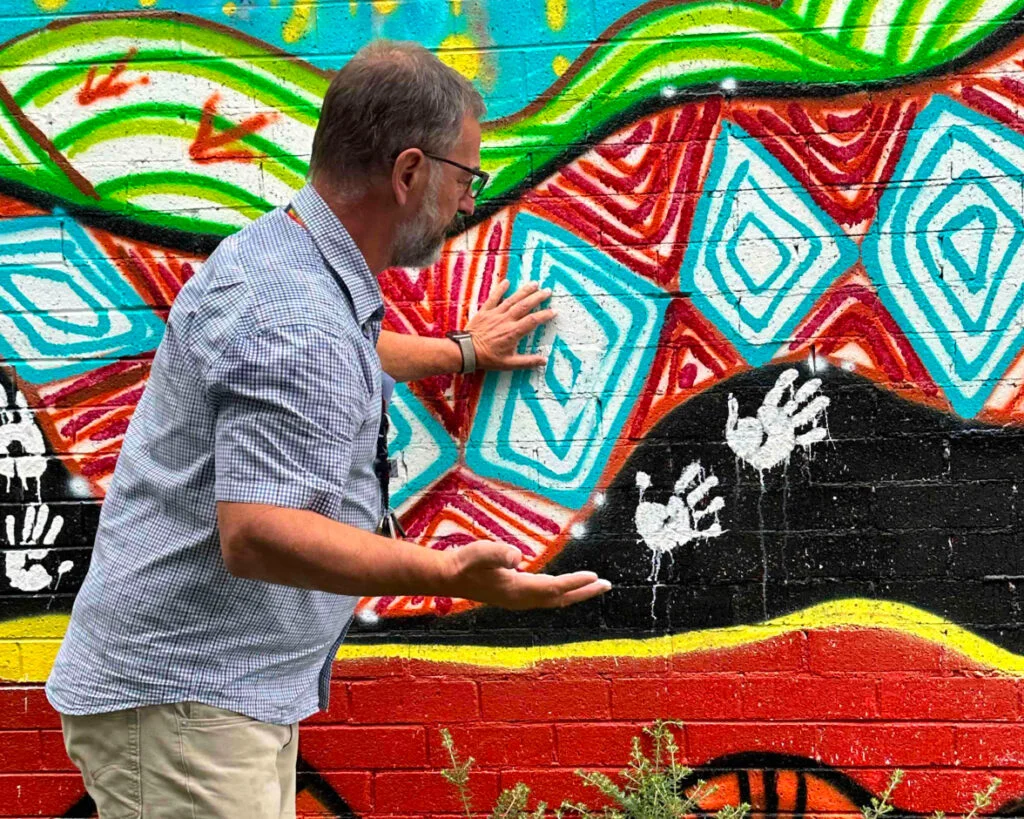
Our first formal Reconciliation Action Plan (RAP) was created in consultation with First Nations consultants and released in September 2023. The Innovate RAP focuses on developing and strengthening relationships with First Peoples, engaging our staff and stakeholders in reconciliation, and reviewing our policies and strategies. Aside from collaborating with a local Aboriginal designer on the RAP document, we held a Welcome to Country and smoking ceremony for the launch of the Narre Warren Child Contact Service. A local Aboriginal artist also worked on the art installations at this site. Building strong relationships with First Peoples is important to us and we’re committed to recognising and being involved in key cultural events like Reconciliation Week and NAIDOC.
As our research and policy arm, the Centre for Better Relationships plays a crucial role in deepening our understanding of social issues so we can design better mental health services that help improve quality of life for all Australians. Unfortunately, this doesn’t always happen.
As our research and policy arm, the Centre for Better Relationships plays a crucial role in deepening our understanding of social issues so we can design better mental health services that help improve quality of life for all Australians.
Each research project enables us to uncover and address gaps across our service delivery and highlight social issues in our community.
The Centre’s research initiatives this year focused on three areas – The Way Back Support Service, suicide in culturally and linguistically diverse (CALD) communities and the Child Contact Service – and gave us a clear direction for next year’s priorities.
The Way Back Support (TWBS) service is built on the psychosocial model of care. Yet there still isn’t enough evidence of this model’s effectiveness in the prevention and intervention of suicidal behaviours.
As a starting point, the Centre has completed a discussion paper on the effectiveness of using psychosocial models of care for those who have attempted suicide.
The paper speaks to a broad audience interested in effective suicide interventions and uses general statistics on suicide to drive home the importance of such models of care.
A draft of this paper is currently being reviewed by the Research and Advocacy Committee.
The Centre also produced a report on TWBS and its successful implementation by Better Place Australia which has also been submitted to the Committee for review.
Both discussion papers will be released this year.
Culturally and linguistically diverse (CALD) communities have wide-ranging views of suicide and suicidal behaviours that are largely shaped by family, friends and cultural stigma.
Stigma silences and isolates an individual with suicidal thoughts. It also prevents those who have previously attempted suicide or who have lost a loved one to suicide from accessing life-saving support.
The Centre has worked across CALD communities in suicide prevention and has investigated the psychosocial risk factors in these communities for suicidal behaviour like stigma and discrimination, acculturation, and service navigation.
The Centre has now outsourced an opinion piece on our service as a proven pathway of support and suicide prevention within the CALD communities. This piece is under review and will be approved soon.
Better Place Australia launched our second Child’s Contact Service in Sale in February to increase the access to local and affordable family services in regional Victoria.
The Centre is currently evaluating the program to understand its achievements and more importantly, the priority areas of improvement. The evaluation focuses on the voice of the child and involves in-depth interviews with parents and staff to achieve a holistic view of the program.
The Centre has earmarked elder abuse as one of its two priorities for next year in terms of developing a dual response model of care for perpetrators and victim-survivors.
The second priority is establishing a strong connection and trust with CALD communities in our work around suicide prevention and intervention.
We all want to live in a world where everyone is respected and included regardless of age. This builds our confidence and ability to make our own decisions.
Unfortunately, this doesn’t always happen. And it often involves the older person.
We all want to live in a world where everyone is respected and included regardless of age. This builds our confidence and ability to make our own decisions.
Unfortunately, this doesn’t always happen. And it often involves the older person.
Better Place Australia has been a long-time advocate against ageism – a subtle form of discrimination and a driver of elder abuse.
We were among the funders of the Framing Age Messaging Guide developed by a consortium of Elder Abuse Prevention Networks (EAPNs) and we now host the Southern Melbourne Elder Abuse Prevention Network (SMEAPN).
We are proud to say that our leadership and guidance has enabled SMEAPN to grow and expand its scope of work and influence through stronger links with agencies like the state government, local councils and community organisations.
Aside from awareness building, we also spearheaded the direction, development and delivery of primary prevention strategies within the Southern Melbourne catchment through SMEAPN.
These are some of our key milestones over the past year.
Launch of SMEAPN’s website. Community members can access information about an older person’s rights, how to age safely and where to get support for someone who’s experiencing or at risk of elder abuse. It also houses the Framing Age Message Guide (FAMG).
Expansion of the FAMG. To increase the FAMG’s accessibility and inclusivity, we produced an Easy Read FAMG and translated it into the five top languages in our region: Italian, Greek, Spanish, Simplified Mandarin and Russian.
Further education. SMEAPN’s Masterclasses on Framing Age teaches community organisations how to implement the FAMG. We ran three sessions this year and created a Framing Age Community Practice for Masterclass graduates to help them put their learnings into practice.
Regular communication. SMEAPN sends a quarterly newsletter to its members and interested professionals and community members with updates on ageism and the prevention of elder abuse.
Community engagement. For World Elder Abuse Awareness Day (WEAAD) this year, we spoke at various learning forums about the older person’s rights, practical tips on ageing safely and staying in control of their choices.
Further development of the Warm Safe Homes Project. We recruited a champion for this important project that provides older people a warm and safe home. The outcome of our agency-wide implementation received positive feedback.
Launch of the ‘Your life. Your choice.’ Toolkit. A compilation of information on aging, stories of elder abuse and where to get confidential support. There is also a Learning Forum video featuring Dr Kay Patterson, Age Discrimination Commissioner with the Australian Human Rights Commission and Gary Ferguson, Education Coordinator from Seniors Rights Victoria.
The road to ending ageism is a long one. But we are already making steady progress and are optimistic about educating every Victorian on how to reduce it in their own lives.
As a mental health organisation, we are only as good as the effectiveness of our services. So we pay continuous and close attention to our service outcomes and partnerships to make sure we’re delivering on our promises to our communities.
This year we’ve been involved in new initiatives on inclusivity, diversity outreach and new service developments.
As a mental health organisation, we are only as good as the effectiveness of our services. So we pay continuous and close attention to our service outcomes and partnerships to make sure we’re delivering on our promises to our communities.
This year we’ve been involved in new initiatives on inclusivity, diversity outreach and new service developments.
Better Place Australia has teamed up with the Southern Migrant and Refugee Centre (SMRC) and the South Eastern Melbourne Primary Health Network (SEMPHN) to launch ‘Healthy Mind, Healthy Life’, a podcast for the Afghan community in Australia.
Delivered in Dari, the six-part podcast covers a range of mental health and well-being issues faced by its listeners at various stages of their new lives in Australia. It also guides them to support services within their community.
Our Consumer Advisory Groups get us to the heart of social issues in our communities. This feedback pathway is crucial for continuous service improvement and client insight especially when designing and delivering new services.
The Groups reviewed the following initiatives this year:
Better Place Australia has always nurtured meaningful engagement and support for the health and wellbeing of the LGBTIQ+ community through appropriate, inclusive and culturally safe services.
We’re now working towards accreditation against the Rainbow Tick Standards 3rd edition. While we have a solid track record of our work in the LGBTIQ+ space and good policy guidance, we still lack proper feedback from our LGBTIQ+ clients and communities.
Our next few steps are focused on collecting views and feedback from our LGBTIQ+ clients and training all Board members in LGBTIQ+ practice. Now that the LGBTIQ+ community is part of our Consumer Advisory Group, we’ll have one source of valuable feedback on the effectiveness of our services and client experiences in this community.
Before we undertake our assessment against the RT Standards, we plan to conduct at least one substantial activity to ask clients their views, record and analyse the findings, and report the data into governance processes.
Å full suite of recommended actions has been provided in a Rainbow Tick Accreditation Advice report written by our Better Place consultant in this space.
Our Accessibility and Inclusion Plan 2023-2025 outlines our focus on the following pillars – access to services, changes to attitudes and practices, promoting inclusion and equal employment opportunity.
We’ll continue reducing barriers to our goods, services, facilities and employment for people with a disability. Our workplace will remain welcoming to staff and clients from diverse backgrounds so they always feel a sense of belonging. And while we train more staff on inclusion and neurodiversity, we’ll also make necessary workplace adjustments for those who need it.
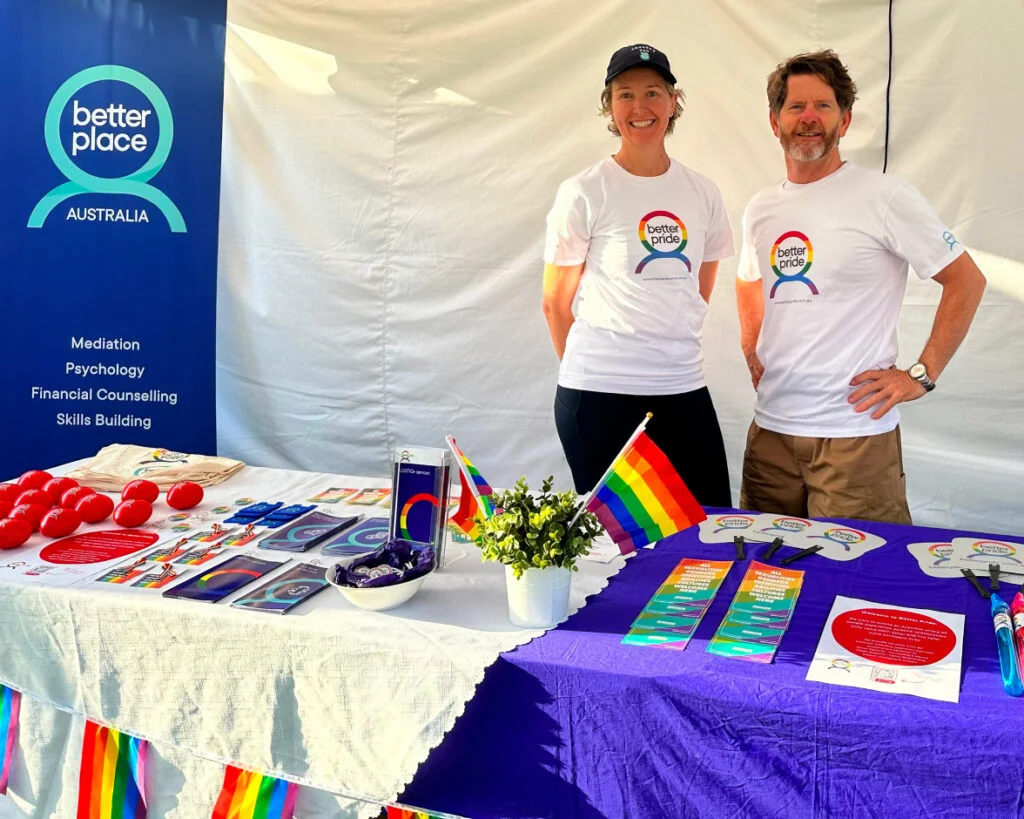
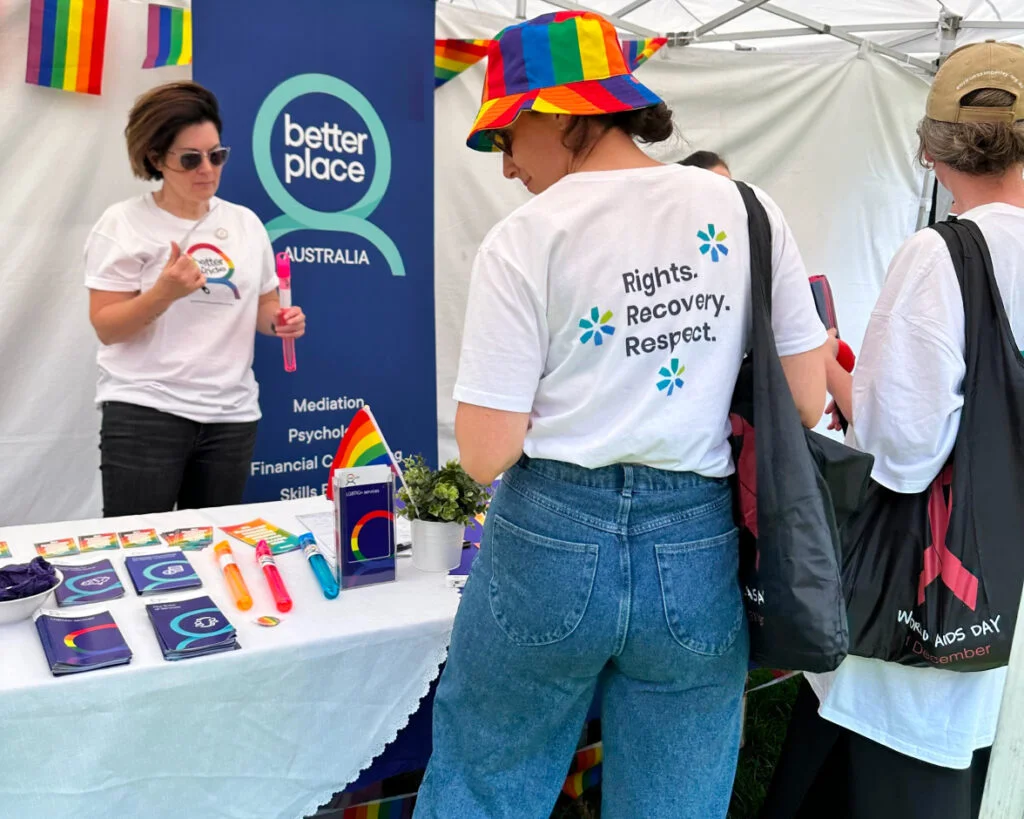
Better Pride participated in a record three Pride events this year. We not only joined the march but also set up a booth to share resources and information about our mediation and dispute resolution services for the LGBTIQ+ community. This was our way of spreading awareness of our Pride services and maintaining our position as an LGBTIQ+ ally.
In 2017, Better Place Australia launched the Integrated Model of Care (IMOC) in response to the rising number of Victorians experiencing elder abuse.
The program’s first year of success led to funding from the state government in five regions – three of which were serviced by Better Place Australia.
For the past six years, older Victorians had direct access to a specialist family violence service that catered to their unique needs, treated them with respect and considered their health, physical, cognitive and ageing needs.
Unlike in a generalist stream, our elder abuse prevention specialists could respond quickly to emergencies by assessing a client in the safety of a health service and creating a safety plan.
IMOC also acknowledged that elder abuse is not another form of family violence but an intersection of it. Where family violence has a gender-based framework, IMOC could respond to female perpetrators and support men as victim-survivors of family violence.
Our specialists saw 1,200 clients over the past six years. Many were referred to us during the pandemic lockdowns when the number of elder abuse cases reached alarming heights.
In short, IMOC was a lifeline for vulnerable older Victorians.
In May 2023, the state government unexpectedly announced that it would cease its funding for IMOC in August 2023 due to shifting priorities and the assumption that elder abuse falls within the parameters of family violence.
The IMOC defunding affects 70% of specialist positions, leaving only five of the 15 still in operation.
To date, there are no plans to replace IMOC. Instead, victim-survivors of elder abuse will be funnelled into a generalist stream that’s already struggling to cope with a heavy caseload.
But of bigger concern is the likelihood that poorer access to intervention services will result in more cases of elder abuse falling through the cracks.
As it stands, elder abuse is severely unidentified, unrecognised and unreported.
Senior Rights Victorian (SRV) says calls to their Elder Abuse hotline rose 39% in the first quarter of this year compared to the same period last year. The defunding of IMOC has since forced SRV to reduce its number of helpline advocates to a single person.
This is deeply worrying especially after an AIFS National Prevalence Study found that approximately one in six older Australians experience elder abuse.
Right now, only 30% of family violence service locations can provide the necessary specialist response – via Orange Doors. But the current wait time is 4 to 6 weeks and is expected to double in the near future.
This puts vulnerable clients and those with a disability, without technology access or living with their perpetrator at greater risk of harm.
The nature of abuse has also increased in gravity with a 15% rise in physical assault. There are also more cases of non-fatal strangulation and threats to kill the victim-survivor.
Lumping elder abuse under the broader umbrella of family violence puts the older person at a severe disadvantage in terms of available support.
For one, family violence often involves lawyers and does not take into account the victim-survivor’s diminished capacity. An older person with diminished capacity cannot be legally represented.
Where family violence can instigate a separation, elder abuse may involve the older person continuing to live with their perpetrator for financial, practical or emotional reasons. Most of them want the abuse to end but not the relationship.
As more of these complex cases emerge today, it is incomprehensible that older Victorians are being denied the right to a specialist family violence service during a time of urgent need.
In July 2023, the Treasury’s Wellbeing Report recommended a National Plan to Respond to the Abuse of Older Australians as part of their ‘Key Government initiatives to make Australians feel safer.’
Better Place Australia strongly believes that IMOC belongs among those initiatives. And so we have become a public voice in rallying the sector to campaign for the reinstatement of specialist family violence services.
We cannot remove a critical pathway of support for older people experiencing family violence. The results could be catastrophic.
We have been a leader in the prevention of elder abuse space since 2016 and that will not change now. In July, we launched a public awareness campaign that generated strong media attention.
It is our responsibility to advocate for our older clients who now have to navigate complex pathways and processes in the generalist stream. A specialist elder abuse service for older people is not an option; it is a non-negotiable need.
Lunchtime learning sessions are back in full force at Better Place Australia and have expanded to include a more holistic and inclusive approach to capacity building. Our working groups hosted a range of speakers from organisations we collaborate with.
Some of the more popular sessions were on celebrating Ramadan together (Southern Migrant Refugee Centre), Women and Menopause in the Workplace (Whise Women) and Reconciliation Week.
This year, our teams also participated in a series of learning modules on cultural inclusion, disability awareness and Child Safety Standards.
And as we work towards the Rainbow Tick Accreditation, we’re continuing to strengthen our staff’s knowledge and confidence in delivering inclusive and affirming practices and services to our LGBTIQ+ community.
We’re also a licensee of the SBS Inclusion Program, which houses a library of high-quality resources to build a strong understanding of inclusion and diversity. These course cover six diversity streams: Aboriginal and Torres Strait Islander, Cultural Diversity, LGBTIQ+, Gender, Age and Disability.
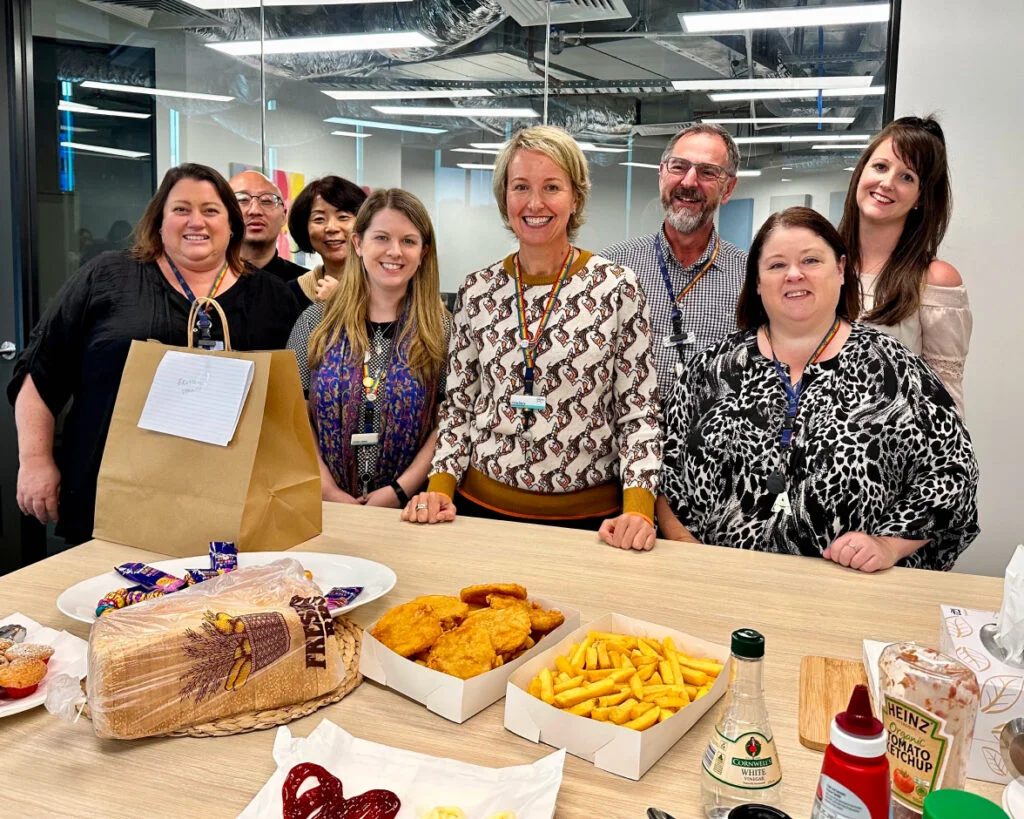
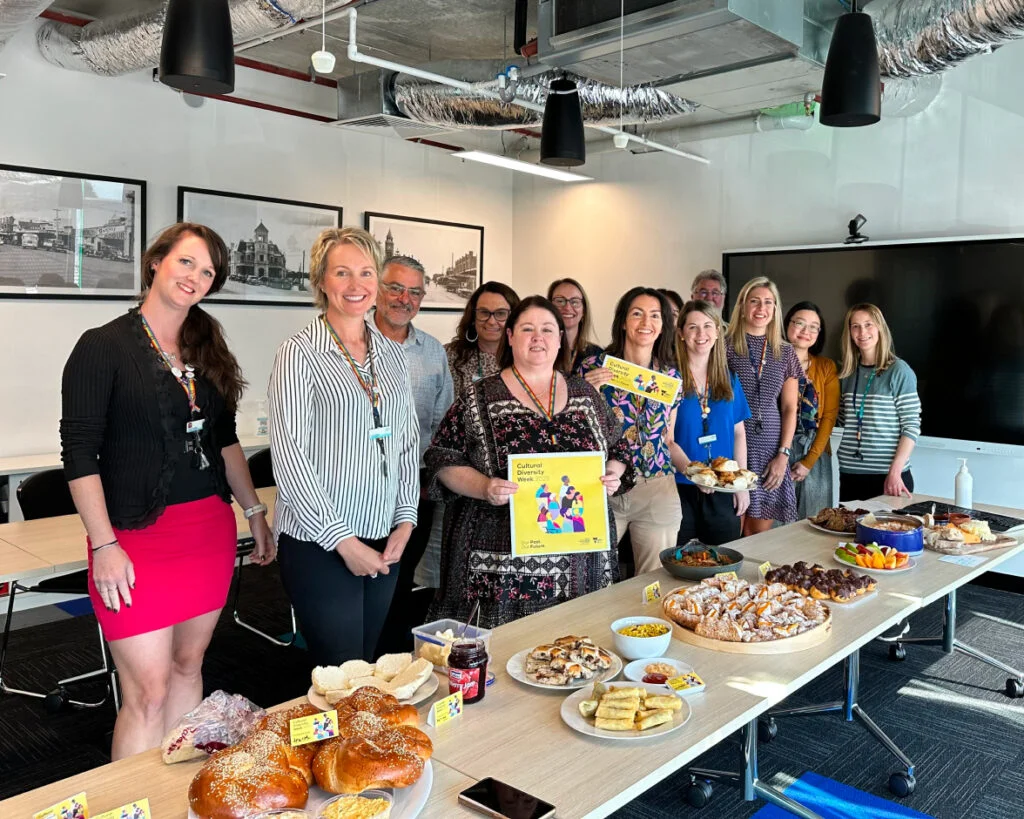
One very successful way we’re celebrating our diverse workforce is through food. Each site hosts a diversity luncheon where staff are encouraged to bring a plate reflecting their culture or a culture of choice to introduce to everyone else. These lunches have helped our teams bond and fostered a better understanding of each other’s culture.
Another way we’re building an inclusive workplace is through our Inclusion, Diversity & Access Framework and Plan 2022-2026. As each working group implements their respective planning stages, we get closer to creating a workplace where everyone feels safe and welcomed.
Better Place Australia participated in the AIFS Conference 2023 where our Executive Managers and practitioners presented on various topics. The conference boosted our collaboration with our sector peers through discussing key learnings and exploring different areas of practice like elder abuse and intersections with diverse groups.
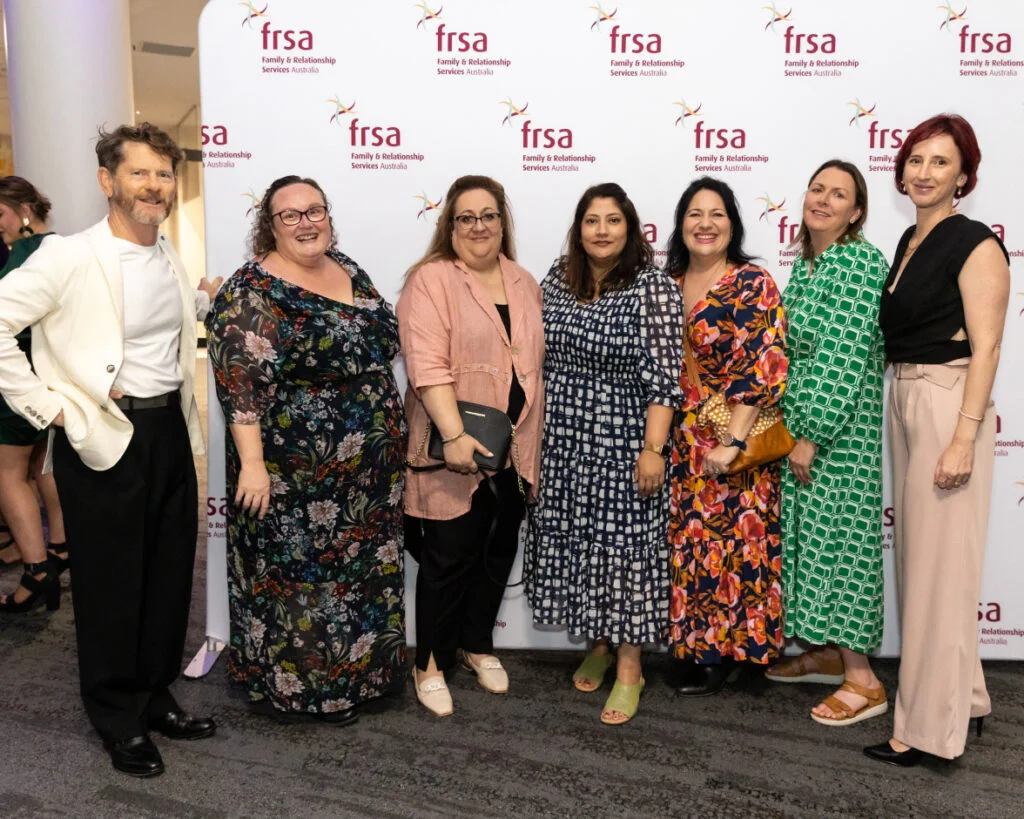
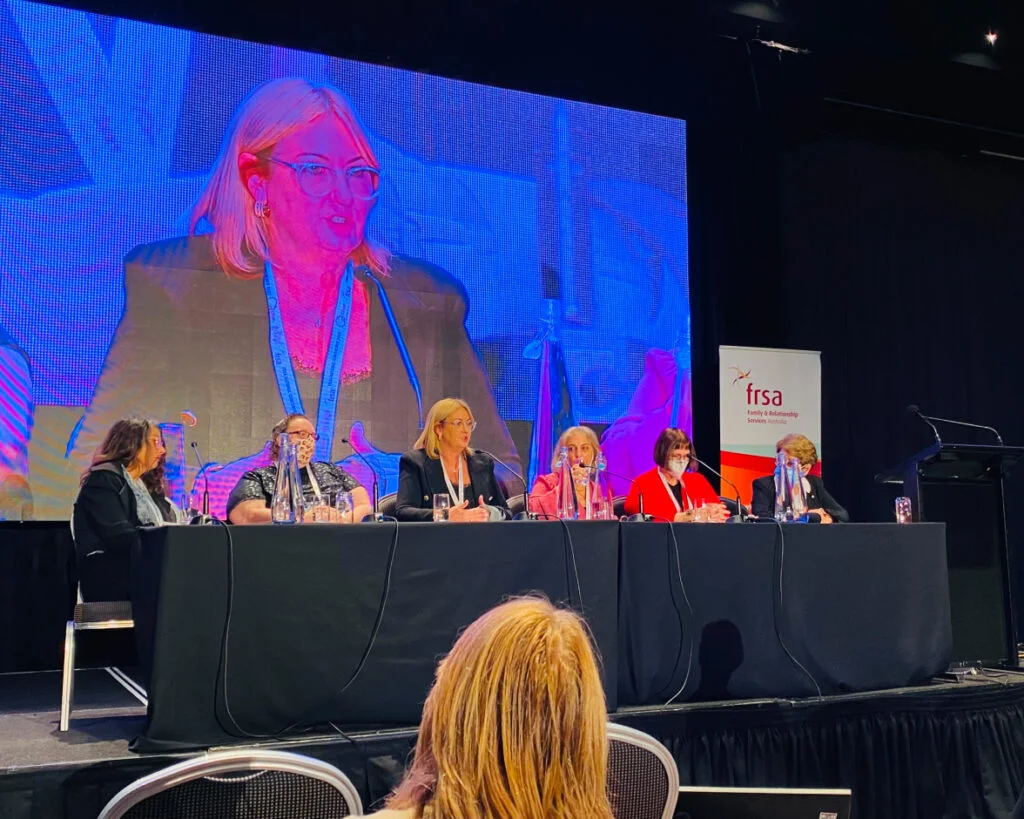
We also attended the FRSA Conference 2022 where we presented on Supporting Children After Separation: A call for more child focused support.
Isolation can be overwhelming for an older person and it can often lead to loneliness and depression. RACFs are cognisant of this so they may seek programs that encourage interaction and connection like Better Place Australia’s art therapy program.. Here’s how such a program helped a new resident overcome her loneliness and depression.
The cornerstone of a strong relationship is good communication. But finding the right words and expressing them clearly can be tough when you’re constantly arguing. And even harder when you’re also struggling with anxiety and depression. A young couple found themselves in this predicament when the arrival of their baby drove them further apart. Desperate to save their marriage, the woman sought Better Place Australia’s relationship counselling services and got her reluctant husband on board.
The pandemic lockdowns were a strain on our mental and emotional health and just when we got used to a different way of living, everything changed again. The pressure these drastic lifestyle shifts put on our mental health was enormous. And not all of us adapted or coped well. Here’s what happened when someone who thrived on working from home faced the prospect of transitioning back to the office.
As children experiment with their sense of self and seek their place in this world, they may undergo behavioural changes – both positive and challenging. The latter can be difficult for parents who are caught off guard and react rather than respond to the behaviours. But what happens when parents struggle to work cooperatively with their children? This was the question that led two parents to seek Better Place Australia’s help in understanding and managing their two children.
Separation always impacts the entire family. But often, the parents are too caught up in their own conflict to pay attention to how their children are coping with the fracturing of their family structure. Separation can be emotionally fraught for children, even if it’s amicable, and they may suppress their true feelings until it’s too late. A couple found this out the hard way when they decided to officially separate and got in touch with Better Place Australia to formalise a parenting agreement for their young daughter.
Financial health has a direct and significant impact on mental health. Disruption to a stable income can cause a catastrophic domino effect on our financial and mental health. When an accident put this tradesman’s car in a workshop for six months, his credit card bills soared while his savings rapidly dwindled. A call to the National Debt Helpline sent him to a Better Place Australia where our counsellors helped him get back on his feet and regain his financial and mental health.
A parent’s relationship with their child is often put at risk during a separation. Transitioning between each parent can also be stressful for young children. This is how Better Place Australia helped a young mother re-establish connection with her child during a separation and work towards a smoother transition period for all parties involved.
Accessible and inclusive support no matter where you are
In 2023, clients reached us through:
People find out more about us through
The first point of contact for those wanting to find out more or access Better Place Australia services before they are put through to our Better Place Assist Intake team who will connect clients to the right service.
The Assist team are qualified and trained to assess and manage risks. They engage, screen and assess, refer and coordinate care support to clients, including providing complex risk assessments and action a plan to mitigate any identified risk.
Phone 1800 639 523
Web enquiry@betterplace.com.au
Live Chat on website.
Secondary consultations welcomed.
Call or email responded to within next working day
– Risk and needs assessment conducted
– Appropriate service referred to
– Case file opens
– Appointment booked
Client attends service. Services are outcome-based and delivered by skilled and experienced clinicians.
Continual assessment for risk of family violence throughout service delivery.
Clients rate their experience with client satisfaction survey.
View our 2022–23 Financial Statements (as at 30 June 2023)
| 2023 | 2022 | |
| Revenue | 15,437,408 | 14,607,461 |
| Gain on sale of asset | 0 | 399,253 |
| Employee benefits | (12,476,129) | (11,928,551) |
| Supplies and services | (1,445,191) | (1,447,861) |
| Depreciation and amortisation | (602,994) | (595,968) |
| Occupancy and utilities | (451,086) | (354,349) |
| Surplus for the year | 462,008 | 679,985 |
| 2023 | 2022 | |
| Cash and cash equivalents | 4,597,785 | 1,804,630 |
| Trade and other receivables | 45,877 | 346,499 |
| Financial assets at amortised cost | 85,000 | 1,134,005 |
| Other assets | 327,894 | 247,570 |
Total current assets | 5,056,556 | 3,532,704 |
| Property, plant and equipment | 8,646,907 | 8,619,877 |
Total non-current assets | 8,646,907 | 8,619,877 |
TOTAL ASSETS | 13,703,463 | 12,152,581 |
| 2023 | 2022 | |
| NET ASSETS | 8,668,350 | 8,206,343 |
| 2023 | 2022 | |
| Trade and other payables | 740,458 | 530,352 |
| Lease liabilities | 297,340 | 230,628 |
| Provisions | 1,169,437 | 1,161,908 |
| Other liabilities | 734,946 | 218,961 |
Total current liabilities | 2,942,181 | 2,141,849 |
| Lease liabilities | 1,787,540 | 1,505,917 |
| Provisions | 305,392 | 298,472 |
Other non-current liabilities | 2,092,932 | 1,804,389 |
TOTAL LIABILITIES | 5,035,113 | 3,946,238 |
| 2023 | 2022 | |
| Accumulated surplus | 8,668,350 | 8,206,343 |
TOTAL EQUITY | 8,668,350 | 8,206,343 |
Attorney General’s Department
Department of Social Service
Department of Families, Fairness and Housing
South Eastern Melbourne Primary Health Network
North Western Melbourne Primary Health Network
Western Victoria Primary Health Network
Gunn Family Foundation
Living Local Fund (Department of Jobs, Precincts and Regions)
Foundation for Rural & Regional Renewal
City of Kingston