Finding Your Place
One Place. Better Place.
Better Place Australia Annual Report 2024
CEO Message
Serge Sardo
Chief Executive Officer

Expanding reach, impact and inclusion
This year marks the completion of a transformative five-year journey for Better Place Australia.
During this time, our annual turnover increased from $9 million to over $16 million and our team grew from 80 to more than 140 people. This has enabled us to expand our services from the Mornington Peninsula to the northern and western suburbs of Melbourne and to the Otways.
Our reach has also widened. We now offer 12 funded services, including critical programs for older adults, mental health support, and psychosocial suicide prevention through the HOPE program, which includes multicultural communities.
One of our proudest achievements this year was earning the Rainbow Tick Accreditation, a reflection of our commitment to creating a safe, inclusive environment for the LGBTIQ community.
I’m particularly proud of our staff, whose dedication during the most challenging of times, helped us meet high demand for our services and achieve an overall 95% satisfaction rate.
Looking ahead, our new five-year strategic plan will focus on innovation and the integration of technology to enhance service delivery and expand choices for our clients.
Chair Message
Anne Goldsbrough, AM
Chair of the Board

As we reflect on the past year, I am proud to present Better Place Australia’s FY24 Annual Report. The theme for this year, Finding Your Better Place. One Place. Better Place, underscores our ongoing mission to provide people with a space where they can find hope, support, and better determine their future.
At the heart of everything we do is our vision: An Australia where all people experience positive relationships, truly value each other, and live safer, more fulfilling lives. This vision drives us forward every day. Our purpose, to empower people to become more resilient and experience improved well-being to better determine their futures, informs how we design and deliver our services.
FY24 has been a year of significant progress for Better Place Australia. We have maintained a 95% client satisfaction rate, a testament to the quality and care that define our services. After three years of intentional effort, we were proud to receive the Rainbow Tick, recognising our work in building an inclusive organisation that welcomes all.
This year also marked a leadership transition with the appointment of a new Chair and the development of a comprehensive five-year strategic plan. This plan, created through a thoughtful review process with Board involvement, sets the stage for our future growth and direction. Our voice has been heard in key governmental forums, with invitations to participate in roundtables on Family Law, Family Violence, and Mental Health, further amplifying the experiences and the needs of our clients.
Financially, we have maintained a strong position, ending the year with a surplus due to careful cost management and the benefits of favourable interest rates. This has enabled us to reinvest in our staff development, leadership and service improvements to better meet the evolving needs of the communities we serve and the strength of our organisation.
We are also mindful of the challenges that lie ahead. FY25 will be a financially constrained year, as in some circumstances our program funding has not kept pace with increased operational costs driven in part by Fair Work Commission pay adjustments. Additionally, the impact of the rising cost of living is creating additional stress for many families, manifesting in complex issues that our services across the organisation are increasingly called on to address.
Despite these hurdles, our programs continue to expand. Our aged care navigating service and group therapy programs in aged care facilities are thriving, and our suicide postvention program, HOPE, is producing strong, evidence-based outcomes. Yet, the critical increase in understanding of the breadth and depth of family violence in the community, and its relevance and impact on our clients must at each turn be acknowledged and responded to. This is reflected in the growing demand for our elder abuse prevention services, yet changes in funding in this discrete area remain a critical concern to us, leading to an impact on specialised workers in this area.
As we turn toward FY25 and beyond, our new 5-year Strategic Plan will guide us. This plan focuses on cultural transformation, strengthening services through insights from lived experience, and pursuing innovative growth to address unmet community needs. Our research through the Centre for Better Relationships is shining a light on key areas, such as the challenges faced by those transitioning into aged care, while our Children’s Contact Service continues to grow.
Our ongoing work remains guided by our vision and purpose, and I am confident that we are well-positioned to continue making a meaningful difference in the lives of our clients.
I would like to take this opportunity to thank our volunteer Board, dedicated staff, and generous funders—both Federal and State Governments, as well as our partners in Primary Health Networks. Your commitment and support are essential in helping Better Place Australia achieve its purpose of empowering people to overcome challenges and improve their well-being.
As you read through this report, I hope you feel assured that we are using our resources responsibly, making meaningful progress, and continuing to support our clients with care, innovation, and integrity.
Warm regards,
Anne Goldsbrough, AM
Chair, Better Place Australia
Our Services
Mediation / Family Dispute Resolution
Reach a mutual agreement on parenting or financial disputes without risking greater emotional or financial costs.
Financial and Property Mediation
A non-biased process for discussing the distribution of property and financial assets during a separation.
Family Counselling
Create a safe space for your children to manage their emotions during parental separation or family conflict.
Relationship Counselling
Understand how your relationship has changed and what you both want for its future.
Child & Youth Counselling
Meet and move through life transitions with resilience, curiosity and confidence.
Mental Health Counselling
Overcome personal challenges by building the right habits and strategies and a positive mindset.
Better Pride
Feel seen and supported in tackling challenges that are unique to you and your community.
Family Mental Health Support
Helping families in Frankston and Mornington Peninsula stay on top of their mental health and well-being. (Frankston to Mornington only)
Children’s Contact Service
Establish emotional security for your child by strengthening their connection with both parents during your separation.
Supporting Children after Separation Program
Counselling assistance from a compassionate and skilled practitioner that focuses on the issues that arise from a parental/carer separation.
Elder Abuse Prevention Services
Empowering older people to achieve autonomy, self-determination and improved wellbeing by supporting them with specialised Elder Abuse Prevention response.
Care Finder Program
Maintain your independence as an older Australian living alone through free aged care services in your home.
Residential Care Psychological Services
Nurturing the mental health of residents in aged care homes through psychological support services across the Mornington Peninsula, Geelong-Otway regions, and Northern region of Melbourne.
Financial Counselling
Lift yourself out of financial difficulties with the right information, support, assistance and advocacy.
Financial Capability
Future-proof your financial health by learning essential financials skills, literacy and capability.
HOPE Outreach Program
Psychosocial support service for people who are extremely vulnerable in the weeks and months following a suicide crisis and referred by Monash Health Crisis Support Services Dandenong.
Group Programs and Community Education
Providing couples, parents and carers with relationship workshops to enhance their family environment. Parenting education programs Financial capability workshops
Guided by Values. Driven by Vision.
At Better Place Australia, our five core values—Creative, Caring, Thriving, Responsive, and Welcoming—form the foundation of who we are and how we work. We believe in bold ideas, fostering empathy, and creating inclusive spaces where everyone is valued.
These principles drive our 2024-2029 strategy, focused on enhancing workplace culture and delivering a client experience that is seamless, underpinned by compassion and support. Over the next five years, we aim to be recognised as a leader in providing accessible, evidence-based care that meets the diverse needs of all Australians.
Through sustainable growth, new funding opportunities, and a commitment to social change, we are shaping a future where our community thrives.

Creative

Caring

Welcoming

Responsive

Thriving

Client Profile
of elder abuse clients live with their partner
Identifying Gender
Male
Female
Household Income

$0 – $50,000
$50,001 – $100,000
$100,000 – $150,000
Over $ 150,000
Highest Level of Education

Did Not Complete Secondary School
Secondary School - Year 12
Other Post Secondary
Tertiary - Universities
Postgraduate
Other Education
Marital Status

Single/Never Married
Married
De Facto/In a Relationship
Separated
Divorced
Widowed
Not Stated or N/A
Household Income

Employed
Not in the Labor Force
Unemployed
Unpaid Work
Household Composition

Sole Parent (With Dependents)
Group (Unrelated Adults)
Single Person (Living Alone)
Couple (With Dependents)
Group (With Related Adults)
Couple
Homeless/No Household
Significant Client Insights
of clients identified as coming from culturally and linguistically diverse (CALD) backgrounds
of all clients indicated presence of family violence
HOPE outreach clients are LGBTQI+
Family Dispute Resolution clients indicated presence of family violence
Elder Abuse Clients

of elder abuse clients are female
of elder abuse clients lived alone
of elder abuse clients live with their families
of elder abuse clients live with their partner
elder abuse clients had experienced threat to kill
elder abuse clients experience financial abuse
Less funding means fewer older people are supported*
*In 2023, the integrated model of care service for elder abuse victims was defunded
reduction in elder abuse client numbers
days* is the median waiting time for elder abuse clients to access service
*Before September 2023, it was 21 days, the earlier months have skewed the average.
Residential Aged Care Facilities (RACF) Psychological Service Program client insights
of clients in North-West region identify as coming from Italian background
of clients in North-West region identify as having Australian background whilst
of West region clients identified as having Australian background
Our Impact
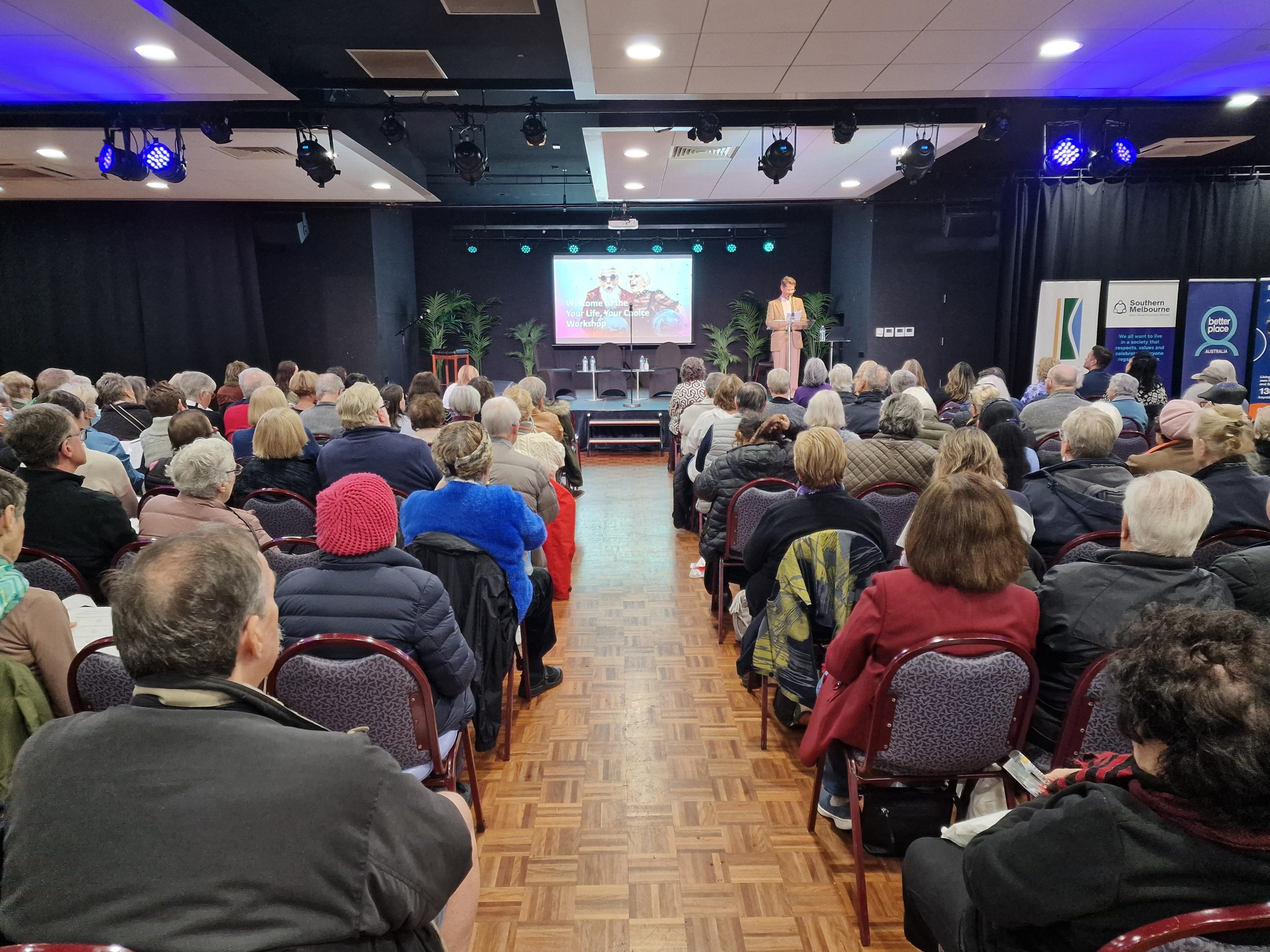
Combating elder abuse
Better Place Australia is leading the way in elder abuse prevention through the Southern Melbourne Elder Prevention Network (SMEAPN). Our 2024 World Elder Abuse Awareness Day (WEAAD) workshop event was a resounding success. In collaboration with four local councils–Bayside, Kingston, Monash and Glen Eira– we welcomed over 200 attendees, with an additional 100 on the waitlist, making this the largest WEAAD event in Victoria.
Ticking it off
We achieved our Rainbow Tick Accreditation in February 2024, which is a testament of to our commitment to LGBTIQ+ inclusion, diversity, and continuous improvement. We’re particularly proud that to be awarded full accreditation without conditions for improvement.

Building on HOPE
The HOPE Outreach program launched HOPE for All in November 2023, offering additional support to carers of HOPE clients. This initiative, following a recommendation by the Royal Commission into Mental Health, provides both individual and group-based support. It is designed to empower carers by strengthening their coping abilities during the challenges of supporting family members after a suicidal crisis. Through this initiative, carers can find a sense of belonging, improve crisis management, and prioritise self-care—all of which positively impact HOPE clients as well.

First Nations ally
The Reconciliation Action Plan (RAP) working group continues to promote internal events and those in partnership with local councils on reconciliation and NAIDOC. Many sites also received Indigenous artworks and commissioned pieces to promote cultural safety.
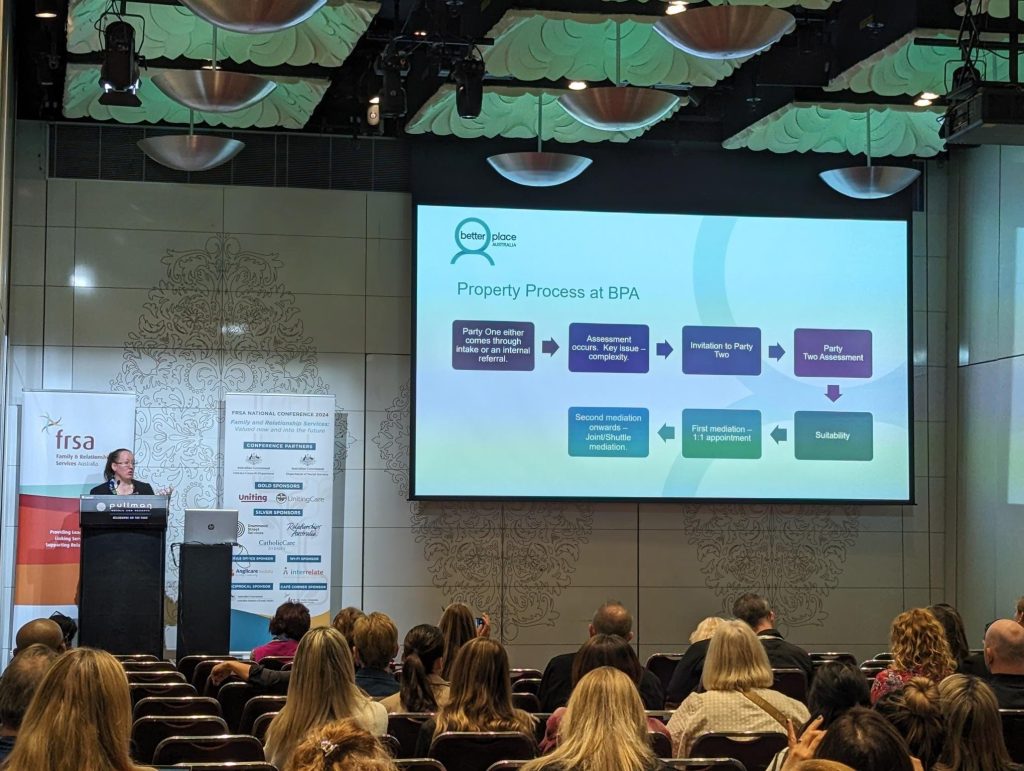
Taking the stage at national conferences
Actively participated and sparked dialogue at national sector and peak body conferences on elder abuse, family relationships and gerontology.

Continuing to Support Individuals and Families
Better Place Australia delivered 27,525 sessions this financial year, supporting individuals and families across a range of services.
Advocating for Policy Reform and Sector Improvement
Our submissions to government departments and sector peak bodies are focused on driving reform and shaping policy and funding guidelines. In January 2024, we contributed to the Department of Social Services Review of Financial Wellbeing Capability programs, advocating for a proactive approach to meet evolving client needs. Our key areas included improved education and access, tailored financial counselling, and addressing affordability issues. We also expressed our commitment to collaborating with the Department to enhance the impact of financial counselling services. Additionally, we submitted a briefing report with recommendations to the Seniors Policy and Elder Abuse Reform team at the Department of Families, Fairness, and Housing, advocating for older people’s rights to access specialised services. Better Place Australia was also invited by the State government to participate in a family violence roundtable, where we highlighted the need for differentiated responses between older individuals affected by family violence (aged 65+) and those in younger cohorts.
Client Experience Survey Highlights
Number of sessions
of clients found Better Place Australia accessible
of clients satisfied with Better Place Australia’s services
felt better able to deal with their issues
would recommend Better Place Australia
feel Better Place Australia is safe and inclusive
Top Three Referral Sources
- Other Organisations
- Internet
- Self
Our Clients See Us For
- Financial Hardships
- Prenting Plans
- Behavioural Issues
Testimonials
Advocacy
Working together to stem the rise in elder abuse
Among Australians aged 65 and older, one in six experience some form of abuse, with two-thirds suffering in silence.

Among Australians aged 65 and older, one in six experience some form of abuse, with two-thirds suffering in silence1.
In Victoria alone, the number of family members over 65 affected by abuse has surged by 35% over the past four years, compared to just an 11% rise in the general population, according to the Victorian Crime Statistics database.
This growing problem is reflected in the high demand for Better Place Australia’s Elder Abuse Prevention Service, which currently has resulted in a waitlist of nearly 40 people and an average wait time of eight weeks.
Our service has also seen significant increases in cases of sexual assault, physical violence, and social abuse, and complex cases involving Risk Assessment Management Panel (RAMP) referrals, suicide, adolescent violence in the home (AVITH) and child protection issues.
BPA remains committed to protecting older Victorians from elder abuse, but rising demand for our services coupled with shrinking service capacity, requires urgent government support.
Challenges in meeting the rising demand
Since the defunding of the Integrated Model Of Care (IMOC) in 2023, BPA can only respond to elder abuse cases involving sexual or physical violence that have been reported to the authorities.
We’re no longer able to support community referrals for the silent majority of older Australians who are dealing with family conflict.
Additionally, only five in 18 Orange Door Hubs have specialty elder abuse specialised family violence services, limiting access for many older Victorians.
In July 2024, the Australian government launched a national campaign to raise awareness of elder abuse. While these conversations are vital, we’re concerned it could lead more people to seek our help when we lack the capacity to support them–including those in the LGBTI community.
Despite achieving our Rainbow Tick Accreditation this year and forming an LGBTI consumer advisory committee, our limited capacity means many older LGBTI individuals remain at risk, without enough safe spaces to seek help.
A path forward for supporting older Victorians
BPA continues to advocate to the State government for more accessible and appropriate support for older Victorians affected by family violence.
We recommend reintroducing the IMOC and increasing funding to expand BPA’s capacity, especially for at-risk groups currently unable to access services. BPA’s social work practice ideally draws upon referrals from Health and Community settings. The BPA practitioners focus on empowering clients to make informed decisions, ensuring that they have access to a broad range of services beyond just legal or immediate protection (e.g., financial counselling, and mental health support).
This funding should include wage indexation to attract and retain skilled staff trained in elder abuse, aged care systems, cognition decline, family violence, and trauma-informed practice.
We also propose a bifocal service model to support victims and offer pathways for those using violence, alongside a dedicated triage model to connect older people to appropriate services like aged care, financial counselling and legal aid.
BPA urges the expansion of specialty family violence services in all Orange Door Hubs and the development of an engagement model that addresses the barriers preventing older people from seeking help.
By tackling these challenges together, we can ensure that older Victorians in every community have the support and access they need to speciality services.
1The AIFS National Elder Abuse Prevalence Study 2021
Continuous improvement of services to clients
As a community services organisation, the quality of our work is measured by the impact of our services. That’s why we consistently focus on service outcomes and inclusivity to ensure we fulfil our commitments to the communities we serve.

As a community services organisation, the quality of our work is measured by the impact of our services. That’s why we consistently focus on service outcomes and inclusivity to ensure we fulfil our commitments to the communities we serve.
This year, we’ve focused on advocating for closing gaps in a key service, introducing a new advisory group and continuing to champion diversity.
Closing the gaps in Financial Counselling and Capability services
BPA has identified several challenges older clients face in navigating aged care finances. Key issues include a limited understanding of available financial services and entry points. This is compounded by a reliance on centralised online and phone-based information, which restricts accessibility.
Clients often struggle to find financial support tailored to their specific needs. Delayed access to these essential services can lead to affordability concerns, mental health issues and physical strain. Additionally, debt accrual related to aged care fees can create further financial instability and defer necessary care.
In January 2024, BPA submitted a consultation paper titled ‘Review of Financial Wellbeing Capability Programs’ to the Department of Social Services. Our submission included key actions to
address the unmet needs of older individuals navigating aged care:
- Developing targeted education programs to improve awareness of financial options
- Expanding support channels to include in-person assistance
- Offering tailored financial counselling to reduce dependence on private advisors
- Establishing community-based advocacy services to help navigate the complexities of aged care finances
- Regularly reviewing income and asset thresholds to ensure affordability
- Collaborating with financial institutions to provide accessible, affordable financial advice tailored to older people’s needs.
These initiatives will help create a more inclusive and supportive environment for older individuals, ensuring they can access the care they need without undue financial burden, loss of autonomy, or reduction in well-being.
Expanding new advisory group to LGBTIQ+
We have expanded our Community and Consumer Advisory Committee, to include people of more diverse backgrounds and lived experiences, holding LGBTIQ+ Community Advisory Committee meetings quarterly. These meetings provide valuable insights and lived experiences that inform our planning, service delivery, and continuous improvement initiatives.
Midsumma 2024
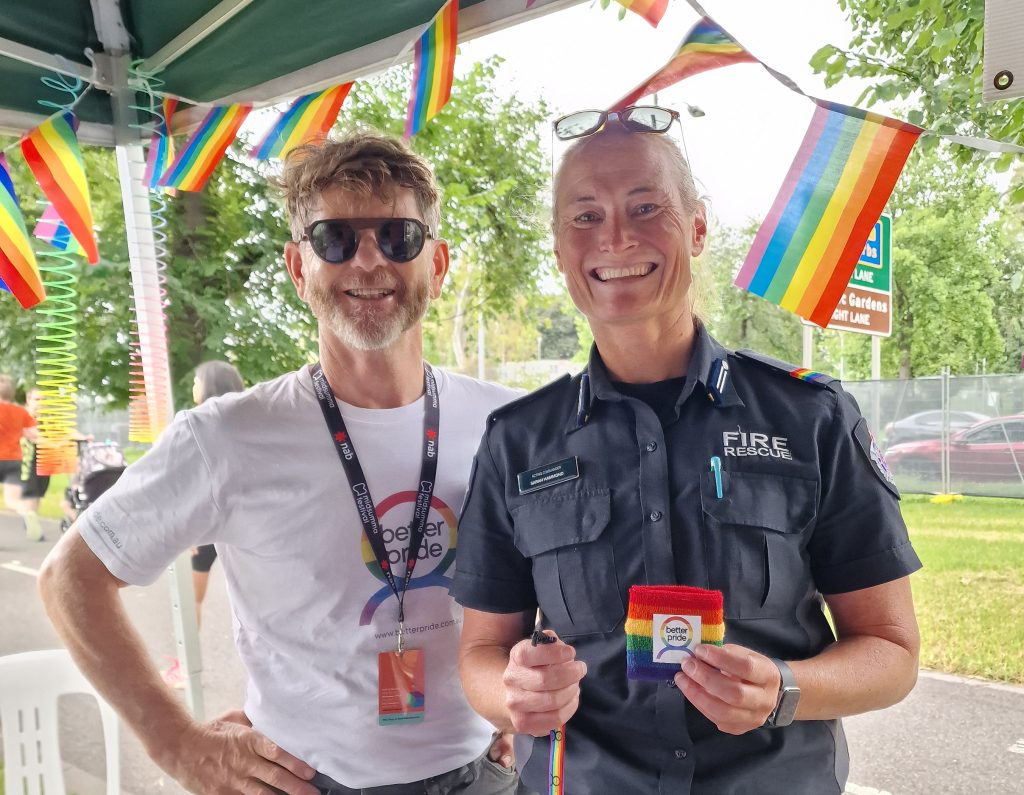
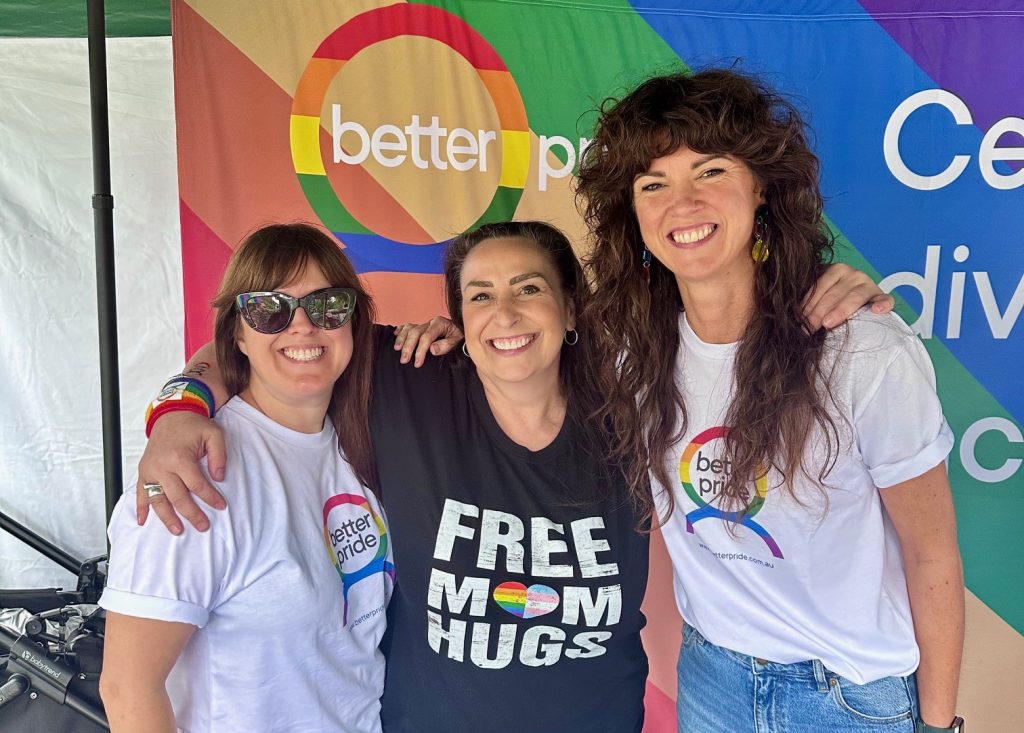
Once again, Better Pride connected with LGBTIQ+ communities at the Midsumma Festival, setting up a booth to share information about our wide range of services and distribute helpful resources. Our presence at the festival provided an opportunity to engage directly with the community, raise awareness about our support initiatives, and listen to the experiences and needs of LGBTIQ+ individuals.
Shaping better mental health services through research
As our research and policy arm, the Centre for Better Relationships continued to be instrumental in shaping our approach to mental health service delivery by deepening our insights into the current social issues impacting Australians.

As our research and policy arm, the Centre for Better Relationships continued to be instrumental in shaping our approach to mental health service delivery by deepening our insights into the current social issues impacting Australians.
Through our research projects, we’ve identified key opportunities for service enhancement while addressing urgent community needs.
Our work focused on five such projects this year, which has set a strong foundation for our future priorities and continued impact.
Residential Aged Care Facilities (RACF) Project
This ongoing project gathers insights from older people, families, and staff in Residential Aged Care Facilities. The project plan was revised to make the project less burdensome for RACFs and participants. Efforts began to build relationships with RACFs to facilitate data collection. The findings will inform recommendations for improving support for older people as they transition into residential aged care.
Psychosocial Models of Care
An internal background paper was completed outlining the context of suicide in Australia and the role of Psychosocial Models of Care.
Evaluating Psychosocial Models of Care
We evaluated the impact of a Psychosocial Model of Care in responding to suicide crises. We used a validated tool to measure the functioning and recovery of clients in the HOPE program. The findings provide evidence for the positive impact of supporting people’s psychosocial needs following a suicide attempt or serious ideation. The findings are currently under review.
HOPE CALD Journey Mapping
We conducted a journey mapping activity to understand the experiences of clients from Culturally and Linguistically Diverse (CALD) communities when accessing the HOPE program. By identifying barriers to providing effective support to CALD clients, the goal is to make the program more inclusive and effective. The findings are currently under review.
Evaluation of the Children’s Contact Service (CCS)
This ongoing project evaluates the Children’s Contact Service by examining the children’s experience and identifying barriers and enablers from both parents’ perspectives to enhance service delivery. Discussions were held with relevant BPA staff about the implementation of the project, with future revisions to the approach required.
Our People
Celebrating our team and supporting their wellbeing
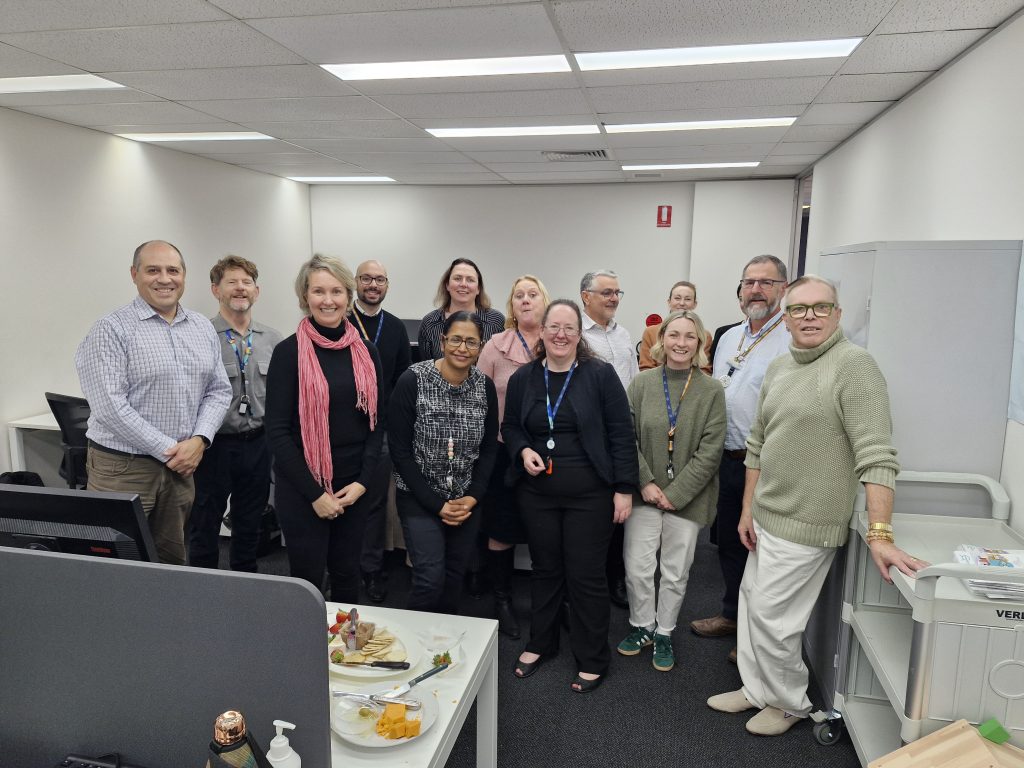
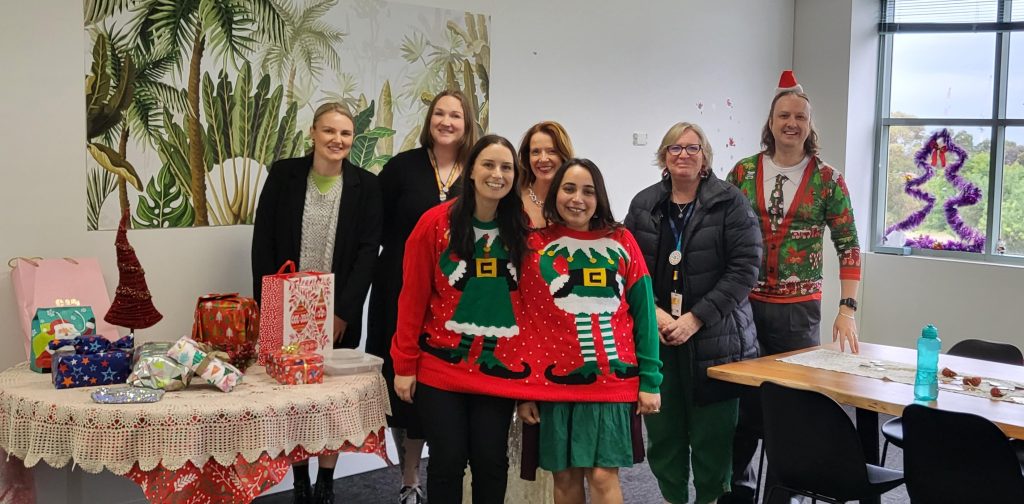
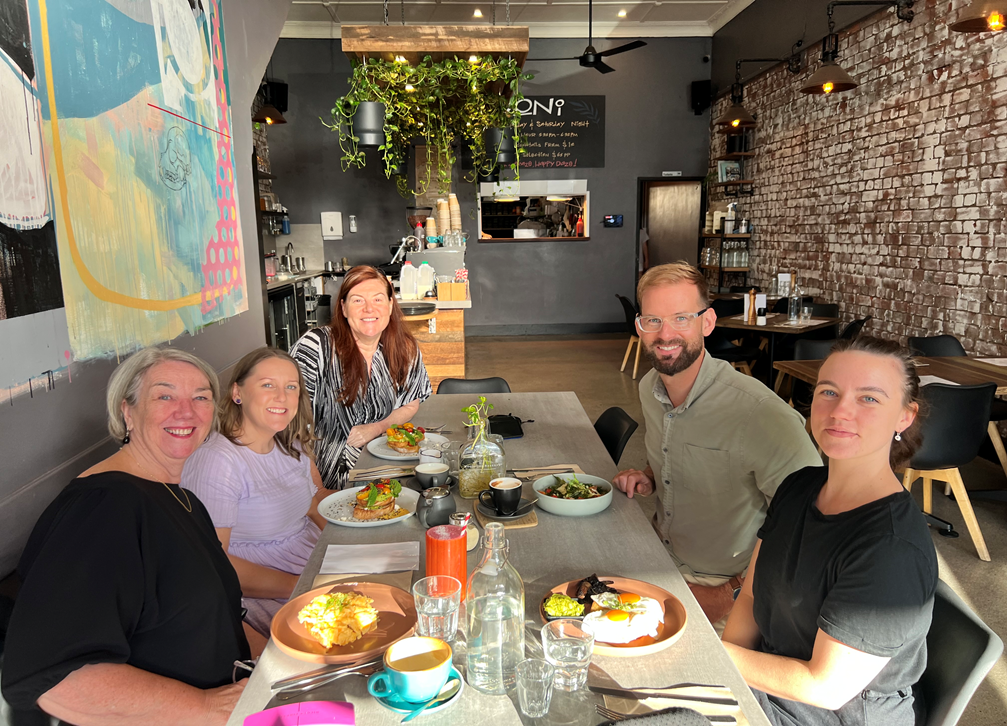
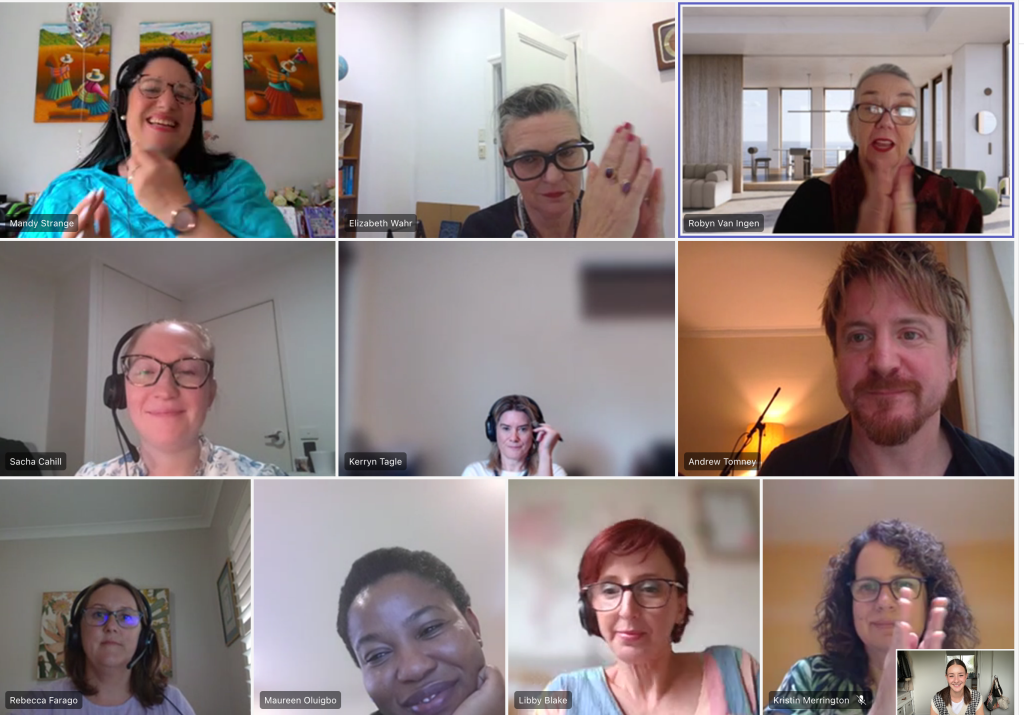
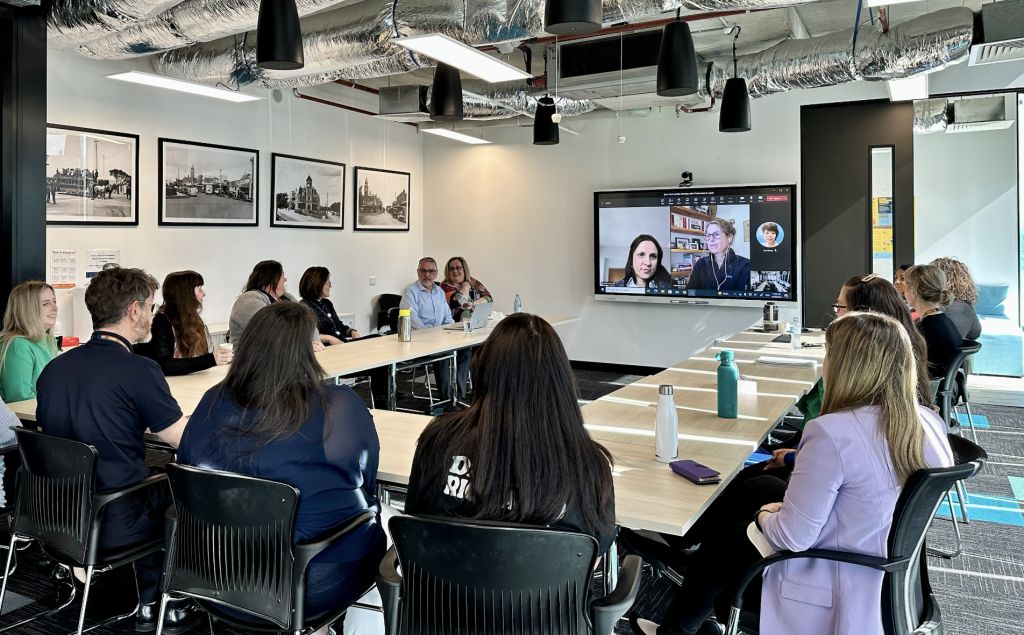
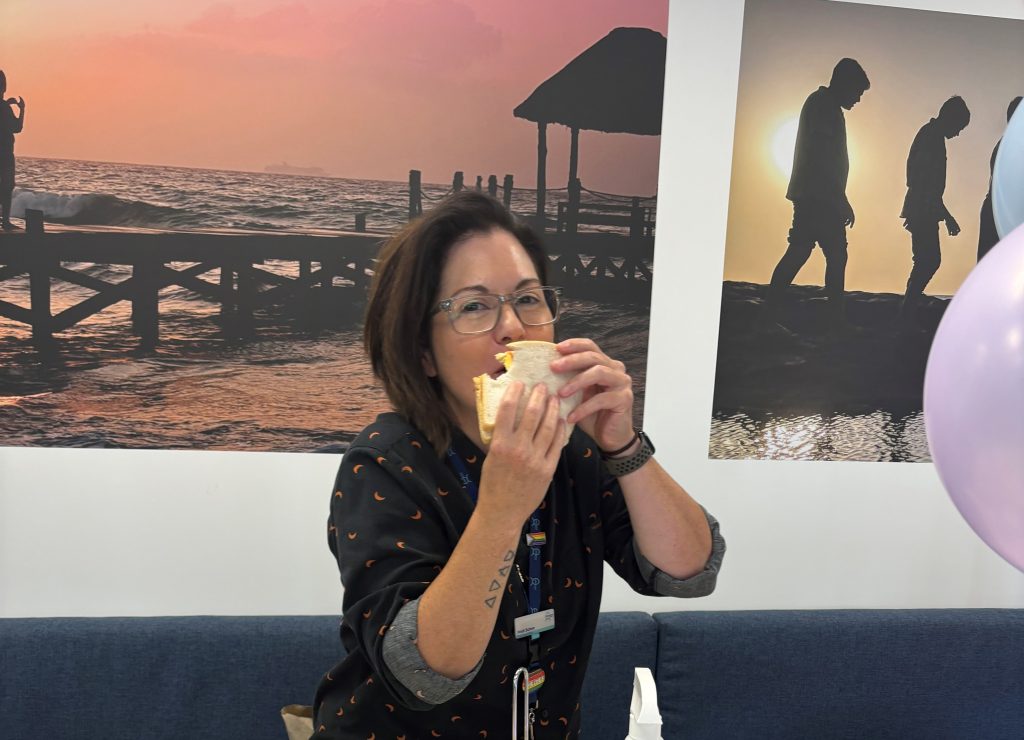
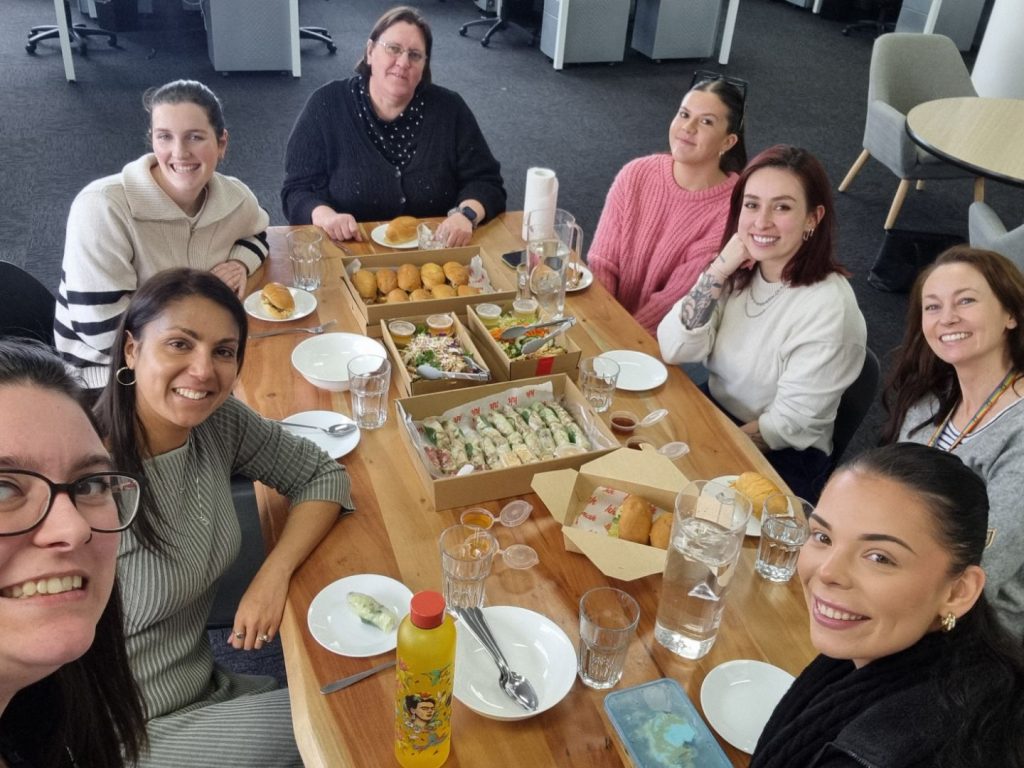
We come together each month to celebrate our staff birthdays and important awareness days such as IDAHOBIT, NAIDOC, Mental Health Month, Ageism Awareness Day, and Refugee Week. These moments remind us of the diverse and inclusive community we’re building.
Equally important is keeping our team’s wellness in check. We prioritise health with resources like annual flu shot reimbursements, and the Employee Assistance Program. As part of our ongoing cultural transformation, we’re also launching a Reward and Recognition program to foster growth and collaboration.
Marching forward with Pride and toward inclusion
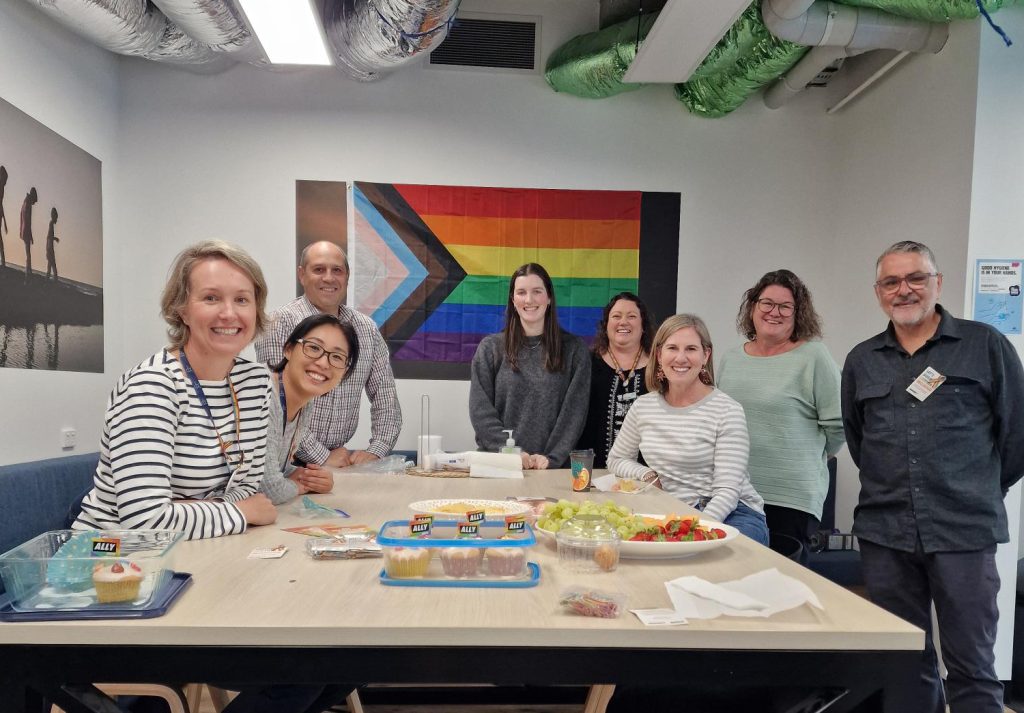
At Midsumma 2024, Better Pride deepened its connection with the LGBTIQ+ community by hosting an information booth, offering valuable resources, and showcasing our services. We actively listened to community members’ experiences, reinforcing our commitment to ongoing support for LGBTIQ+ individuals.
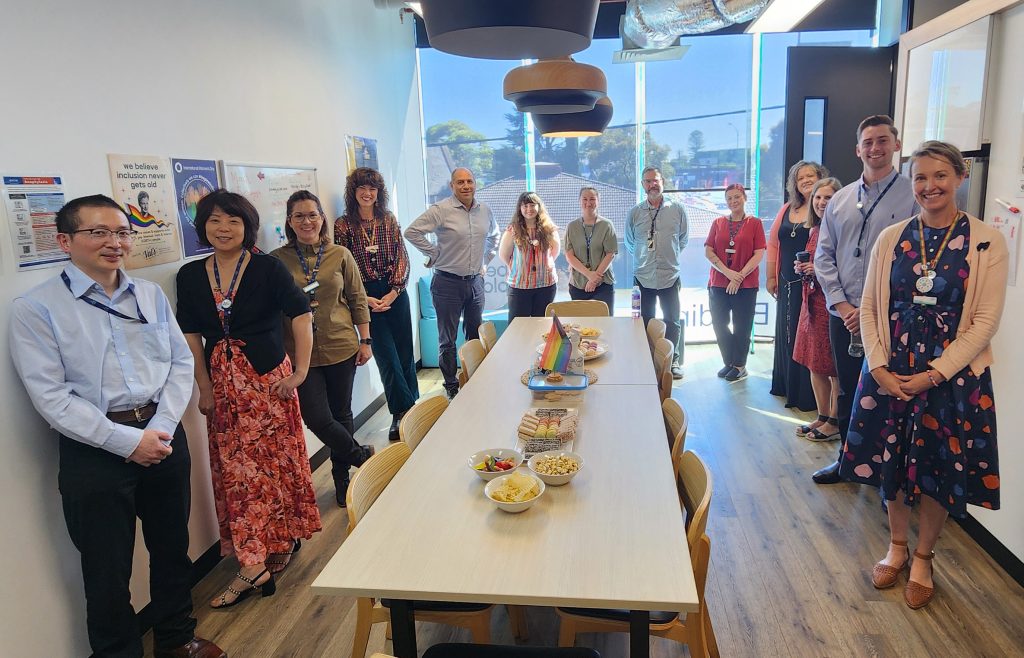
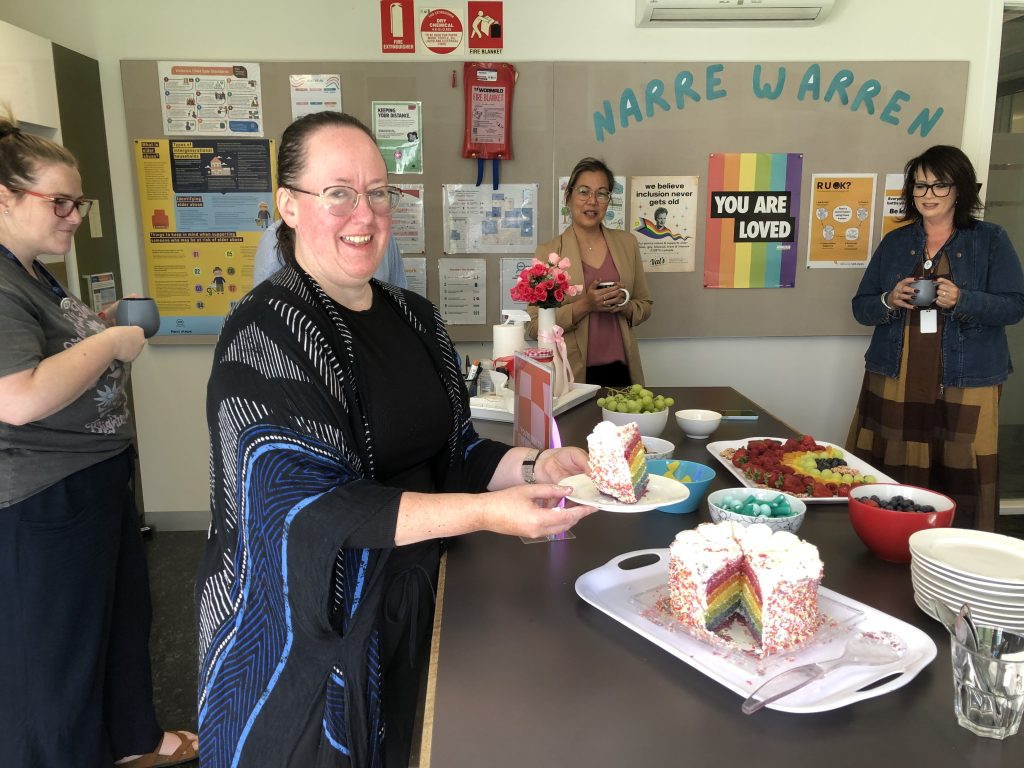
This year also marks a major milestone with our Rainbow Tick Accreditation, earned after two years of dedicated effort. But our journey doesn’t end here. We remain focused on continually enhancing our staff’s knowledge and confidence in delivering inclusive, affirming services to ensure ongoing support for the LGBTIQ+ community.


Leading the conversation
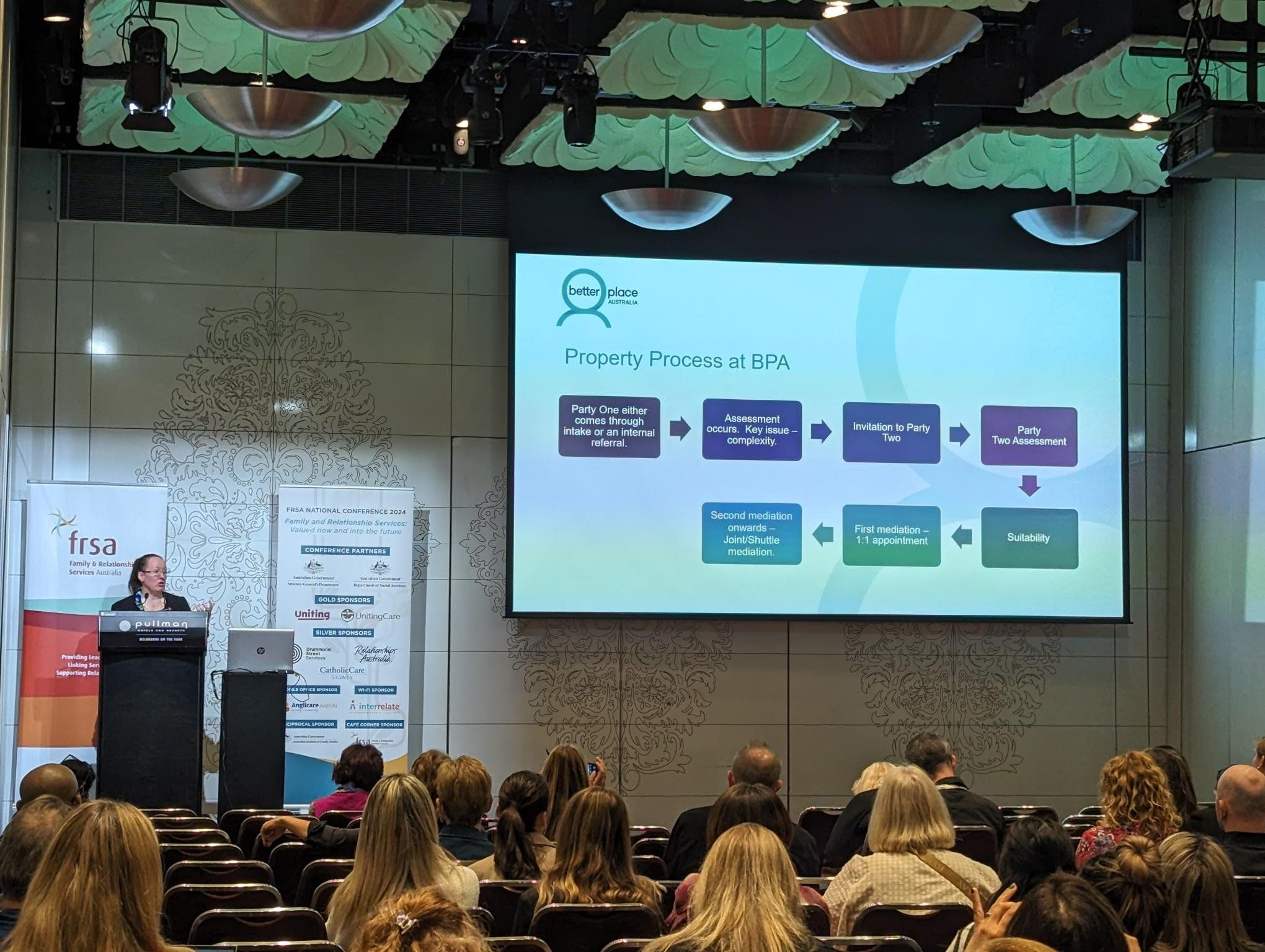
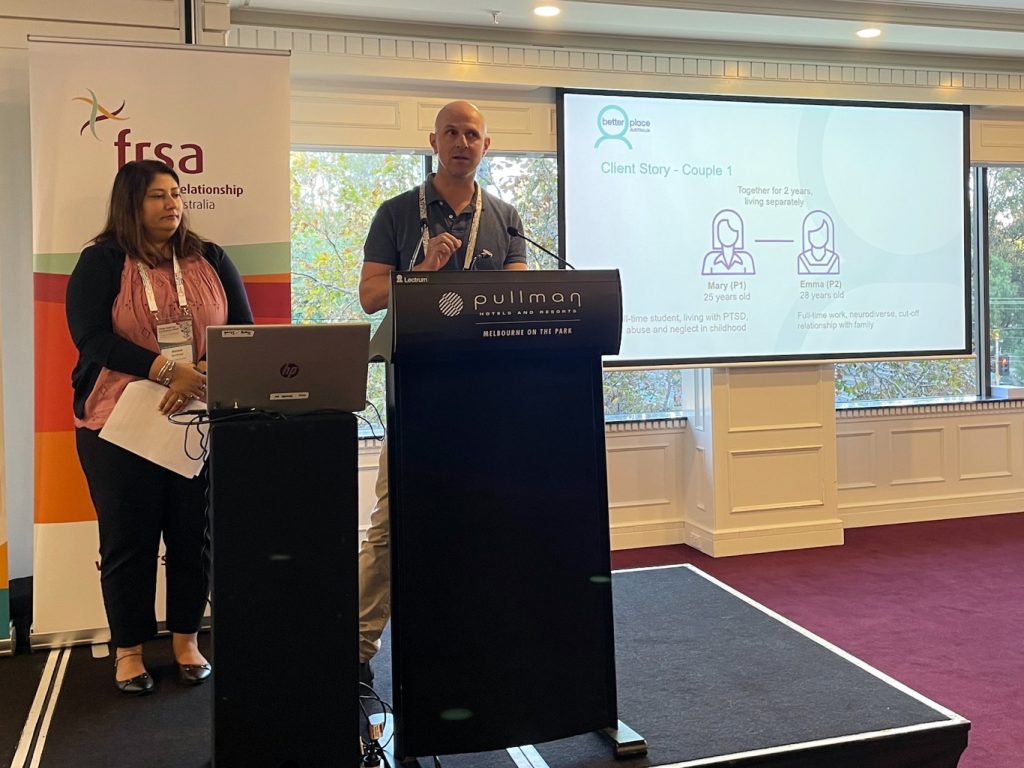
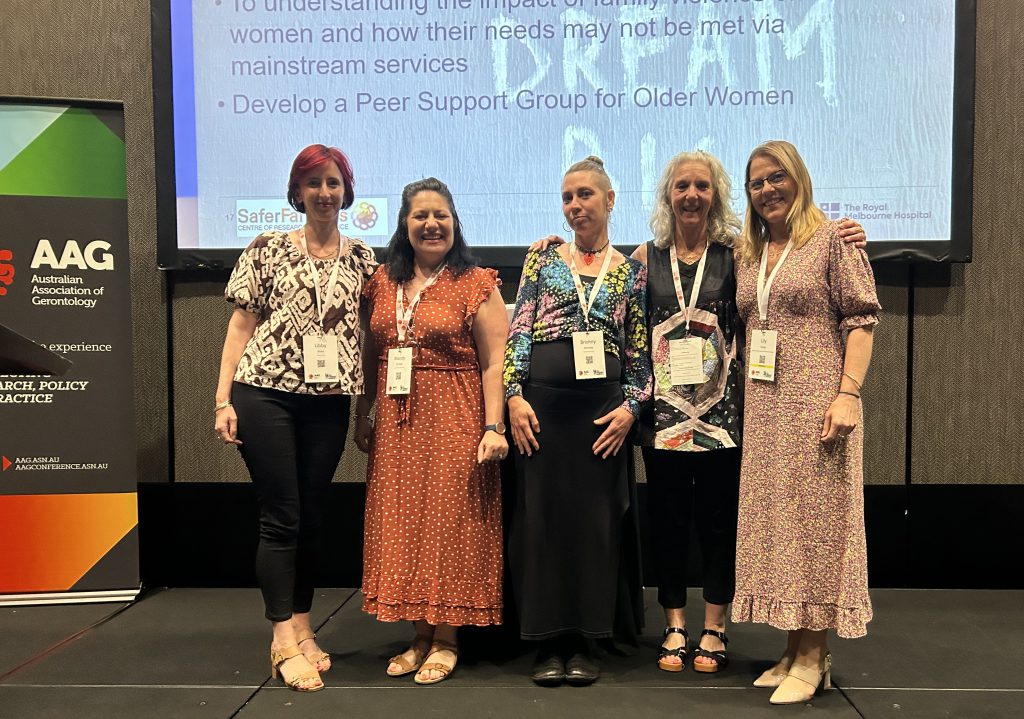
Better Place Australia has participated in numerous conferences and expos, sharing insights and best practices in family support, ageing, and community care sectors. At the 2023 Annual Australian Gerontology Conference, we presented on topics including Elder Abuse in CALD communities.
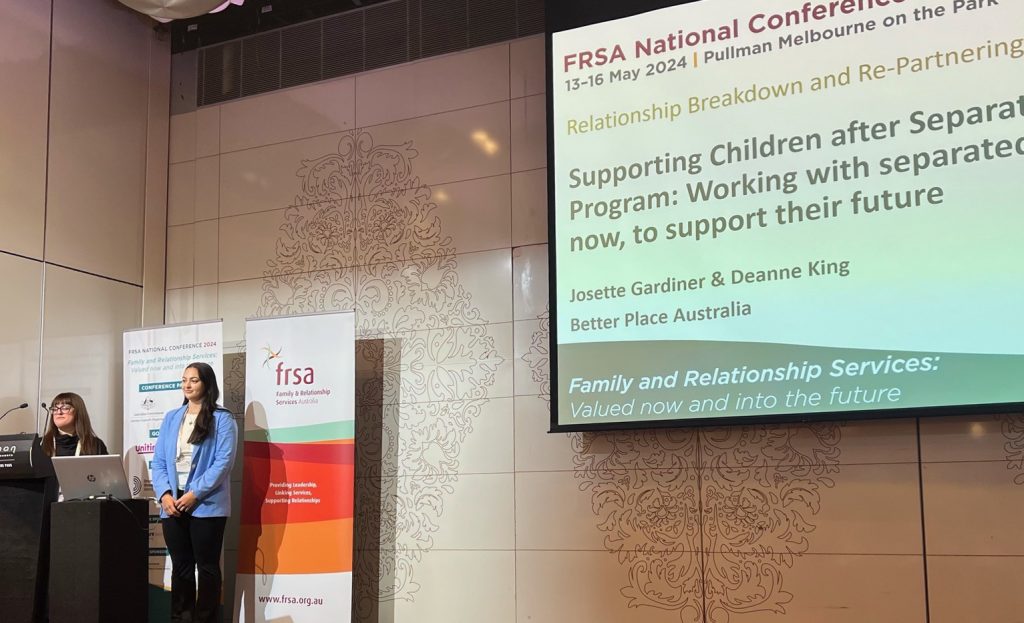
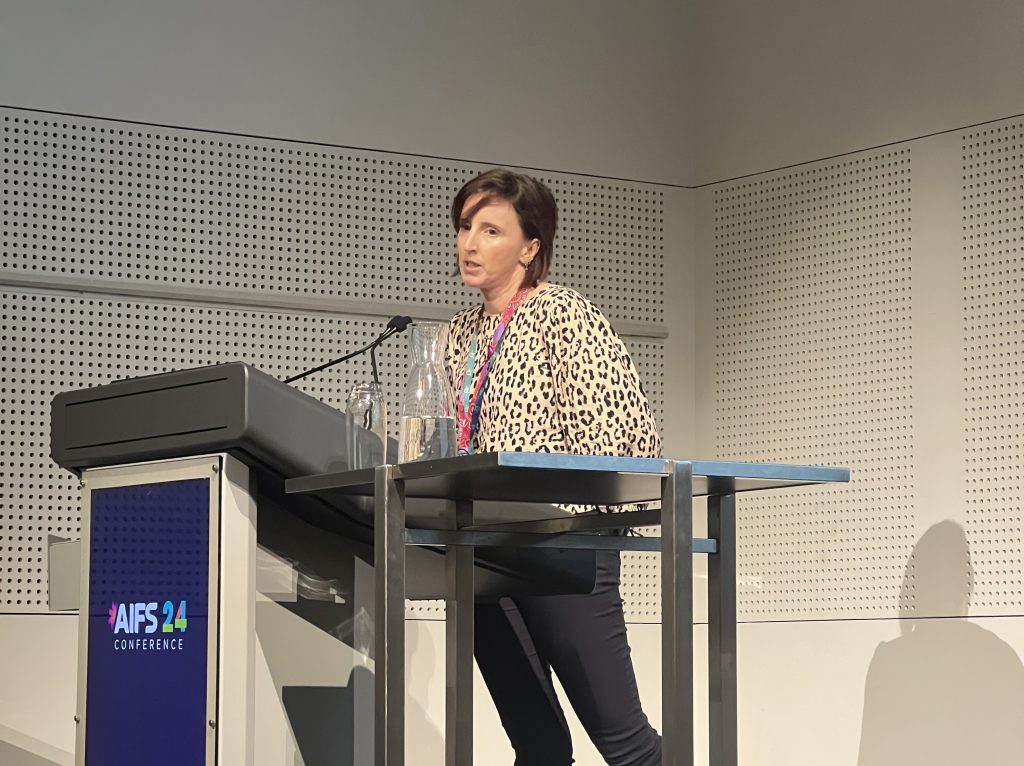
We also attended the FRSA National Conference 2024, where we discussed our Supporting Children after Separation Program among other family relationship services. Additionally, at the 2024 AIFS Conference, we spoke on the issue of intervention orders in Elder Abuse.
Meet Kate Zizys, Gippsland Family Law Pathways Project Officer
The Family Law Pathways Network, an initiative by the Australian Government’s Attorney-General’s Department, has over 30 networks across Australia that help bridge the gap between the legal side of family law and community support services like family law experts, mediators and counsellors.
Each network is led by a pathway officer who provides training and networking opportunities that suit local needs in their region. One of these pathway officers is Better Place Australia’s Kate Zizys.
Kate heads up the Gippsland region where she organises training for family law and family support professionals, and raises awareness of this service among frontline workers and community advocates.
Soon after joining Better Place Australia, Kate secured funding from the Victorian Law Foundation to produce the Family Law Pathways Podcast, an invaluable resource for those navigating the family law system and services. The podcast’s success led to more funding for project work.
Kate recently secured funding from Gippsland Primary Health Service and FRRR to initiate an arts-based outreach project that involves promoting family law and family resource and support services through creative workshops, exhibitions and a forum.

Our Work - Case Studies
Family Dispute Resolution (FDR)
Bridging communication for co-parenting success
Part of successful co-parenting after a separation relies good communication and boundaries. The complications arise when new partners want a say and when parents clash over a parenting plan as seen in these two case study videos.
New partners sparked tension in communication
A separated couple turned to family mediation after their new partners became involved in their communication around co-parenting their three children. Our shuttle mediation process helped reduce their conflict and confusion while keeping them focused on making decisions that protected and prioritised their children.
Separating couple disagreed on parenting plan
An amicable separation threatened to go sideways when the parents couldn’t agree on a parenting plan. We led a shuttle mediation session that allowed them to individually voice their concerns and guided them through triggers and reflection until they eventually reached a parenting agreement.
Financial Counselling and Capability (FCC)
Overcoming debt and regaining financial freedom
Being in debt can be stressful no matter what your age. And the fear and shame that often come with that can make it feel like there’s no way out. These two videos show how two women turned to Better Place Australia for help overcoming their financial difficulties.
Older woman struggled with mortgage repayments
A medical condition forced a 65-year-old woman to reduce her working hours and the smaller paycheck meant she couldn’t pay her mortgage. She wanted to use her superannuation to pay the arrears and sought help from Better Place Australia when she was denied access due to her active employment.
Single mother saddled with unwanted car loan
A young mother was coerced into applying for a car loan by her partner who had bad credit. When they broke up, she was left with a loan she couldn’t afford and contacted Better Place Australia to help negotiate with the lenders on her behalf.
Respecting Elders Program
Restoring independence and family harmony
Many older people feel alone when dealing with family conflict, especially if they still want to maintain their relationship with their loved ones. These two videos tell the stories of two older women who felt powerless after being taken advantage of by their adult children.
Older person forced to live with adult child
An elderly lady had no choice but to live with her son and his extended family after an act of financial generosity went awry. As anger and tensions mounted at home, she contacted Better Place Australia and is now living in a Residential Aged Care Facility of her choice without severing family ties.
Adult children held sense of entitlement over mother
A mother’s spontaneous favour for one child ended up with her other children pressuring her to do the same for them in the name of equality. Better Place Australia stepped in to facilitate a family meeting which resulted in the children focusing on their mother’s needs instead of their sense of entitlement.
Supporting Children After Separation Program (SCASP)
Helping children navigate emotions after separation
Children often struggle emotionally to adjust to a separation. We worked with the separated parents of two teenagers who were dealing with anger, resentment, anxiety and low self-esteem. By helping the parents understand their children’s perspectives and supporting their needs, we were able to guide the whole family through this transition.
Children’s Contact Service (CCS)
Holding space for the rebuilding of family bonds
The Children’s Contact Service is a safe and neutral means for separated parents to meet and rebuild their relationship with their children. This is how Better Place Australia helped a father gain the family court’s approval to go from supervised visits with his daughter to unsupervised visits within the community.
Social Media and Web Presence
Accessible and inclusive support no matter where you are
In 2024, clients reached us through:

Website

Referrals

Phone

Online Chat

Social Media
Social Media
People find out more about us through
Online
Better Place Australia Website
total visitors (6% increase)
of them are from organic search
of visitors are female
decrease in visitors aged 35-44 are men
increase in visitors came from referral traffic
of visitors are using mobile
increase in visitors making enquiry (click to call or enquiry submit)
increase in people visiting the ‘Counselling and Psychology’ page
Top Three Service Pages
- Counselling
- Mediation
- Children's Contact Service
Other Most Visited Pages
- Careers
- Contact Us
- Locations
Financial First Aid Website
The Financial First Aid website is designed to support individuals in financial distress by providing easy access to information and connecting them with financial counselling. Its up-to-date and practical resources help reduce anxiety, offering clients the guidance they need during tough times.
Total sessions (202% increase)
visitors are women
Most visitors are between 25-34 years old
Most Visited Pages
- Urgent Financial Assistance
- Family
- Personal Issues
Financial Statements
View our 2022–23 Financial Statements (as at 30 June 2023)
| 2024 | 2023 | |
| Revenue | 16,964,900 | 15,437,408 |
| Employee benefits | (13,390,118) | (12,476,129) |
| Supplies and services | (1,855,464) | (1,445,191) |
| Depreciation and amortisation | (648,400) | (602,994) |
| Occupancy and utilities | (404,876) | (451,087) |
| Surplus for the year | 666,042 | 462,007 |
Current Assets
| 2024 | 2023 | |
| Cash and cash equivalents | 1,330,614 | 4,597,785 |
| Trade and other receivables | 183,221 | 45,877 |
| Financial assets at amortised cost | 3,585,000 | 85,000 |
| Other assets | 361,907 | 327,894 |
Total current assets | 5,460,742 | 5,056,556 |
Non-Current Assets
| Property, plant and equipment | 8,002,652 | 8,646,907 |
Total non-current assets | 8,002,652 | 8,646,907 |
TOTAL ASSETS | 13,463,394 | 13,703,463 |
Net Assets
| 2023 | 2022 | |
| NET ASSETS | 9,334,392 | 8,668,350 |
Current Liabilities
| 2023 | 2022 | |
| Trade and other payables | 717,988 | 740,458 |
| Lease liabilities | 201,517 | 297,340 |
| Provisions | 1,149,505 | 1,169,437 |
| Other liabilities | 207,899 | 734,946 |
Total current liabilities | 2,276,909 | 2,942,181 |
Non-Current Liabilities
| Lease liabilities | 1,569,591 | 1,787,540 |
| Provisions | 282,502 | 305,392 |
Other non-current liabilities | 1,852,093 | 2,092,932 |
TOTAL LIABILITIES | 4,129,002 | 5,035,113 |
Equity
| 2024 | 2023 | |
| Accumulated surplus | 9,334,392 | 8,668,350 |
TOTAL EQUITY | 9,334,392 | 8,668,350 |
Thank you for your support
Funders
Commonwealth Government
Attorney General’s Department
Department of Social Service
Victorian Government
Department of Families, Fairness and Housing
Monash Health
Primary Health Networks
South Eastern Melbourne Primary Health Network
North Western Melbourne Primary Health Network
Western Victoria Primary Health Network
Philanthropic Supporters
Gunn Family Foundation
Victorian Law Foundation
City of Kingston