
Better Place Australia Annual Report 2026

Section 1

Shared Purpose

Better Place Australia has a clear vision and purpose of empowering Australians towards resilience, well-being, and fulfilling futures.

CEO Message

Serge Sardo
Chief Executive Officer

Better Place Australia has had a year of remarkable progress and impact, with results that speak to both the strength of our people and the resilience of the communities we serve.

In a recent client satisfaction survey, an extraordinary 95% of clients said they received excellent service. At the same time, 82% of staff reported being actively engaged with the organisation – an increase on last year and well above sector benchmarks. It’s clear that the engagement and commitment of our employees directly shapes the experiences of our clients.

Behind these outcomes is a cultural transformation we call One Place, Better Place. Over the past year, we invested in leadership development across every unit to ensure a consistent and supportive leadership approach. These efforts have built stronger connections across sites and created a workplace culture where employees feel valued and supported.

This focus on culture has gone hand in hand with operational and strategic achievements. Better Place Australia recorded a record-breaking turnover this year, securing our long-term financial sustainability. Our renewed attention to processes and governance also ensured a smooth reaccreditation under the QIP program. 

Just as importantly, our reputation in the sector continues to grow. The Centre for Better Relationships has been central to this, with research into coercive control, aged care experiences, and the voices of children in supervised contact. All this has positioned us as a respected contributor to national policy and sector conversations.

Our growing influence is evident in the forums where we now have a seat at the table. Better Place Australia is increasingly invited to join sector bodies, committees and roundtables that address family law, family violence and mental health. Leadership roles in peak bodies – such as my own six-year term on the Board of the Family Relationship Services Association, and the recent appointment of our own Executive Manager of Engagement and Growth, Graeme Westaway – further highlight the trust and recognition we have earned.

Yet, we are also keenly aware of the challenges ahead. Governments at all levels are grappling with long-term deficits and funding pressures will intensify. Our services are already at capacity with clients presenting more complex needs as rising costs of living affect quality of life across the community and increase the cases of family violence.

It is in this context that we launched our new five-year strategy in which we commit to service innovation, harnessing technology, enhancing the experience of both clients and employees, and delivering stronger social impact. It builds on our existing strengths while positioning us to meet the pressures of the future.

None of this would be possible without the people who support and shape Better Place Australia. Our funders make essential services accessible to the most vulnerable. Our Board offers its time, wisdom and guidance. And at the heart of it all are our employees, the highly professional and deeply committed people. Their work ensures our clients can move toward safer, more fulfilling lives.

Better Place Australia enters the next chapter with confidence, knowing that the culture we have built, the partnerships we have formed and the values we hold, will sustain us through challenges and opportunities alike.

Chair Message

Anne Goldsbrough, AM
Chair of the Board

When people, communities and organisations come together to share their strengths, compassion and vision, people thrive. At Better Place Australia, this spirit has continued to shape our work over the past year and continues to guide us as we look toward the future. 

This year has been one of both significant achievement and yet challenge. On the one hand, we have celebrated a very prudent financial performance that secures our long-term sustainability and the ability to continue our role and work with the community. On the other, we continue to face the realities of rising demand, increasing service complexity and across the sector, some uncertainty of funding in critical areas.  

It is within this context that our purpose is most clearly defined: to help and empower people to build resilience, foster positive relationships and improve their well-being so they can better determine their own futures. 

A workplace culture that fuels impact 

Our achievements this year are also reflective of the result of deliberate choice to invest in our people and our culture. Through the One Place, Better Place program, we have focused on strengthening shared values across our organisation, fostering leadership at every level and providing professional development so our people can thrive and empower others to do so through delivery of our services. 

Our recent employee and client surveys revealed that 82% of our staff feel engaged with Better Place Australia and 95% of clients reported an excellent service experience. These outcomes support a simple reality – when our people thrive, our clients do too. 

Recognition and credibility in the sector 

We have continued to take important steps to strengthen our systems and our reputation. Our reaccreditation under the QIP program acknowledges excellence across internal processes and administration. Our Rainbow Tick is a continued source of pride. At the same time, our Centre for Better Relationships provides support to amplify our voice in national policy conversations, with invitations to contribute to roundtables on family law, family violence and mental health. I acknowledge our Board directors with experience and expertise in these areas also.  

Research and advocacy remain central to this work. This year, we have undertaken internal studies on staff understanding of coercive control, explored the experiences of residents in aged care, and examined how children’s voices can be better heard in supervised contact. These insights are shaping not only our own practice but also inform our broader conversations about how Australia supports families and communities. 

Facing today’s challenges 

Despite these achievements, we cannot overlook the challenges ahead. Governments at all levels face financial pressures, and the community sector is already operating at capacity levels and our many of our clients have their own financial pressures. Our aim is to have no wrong door for the range of services available for those seeking advice and support in contact with Better Place Australia assisting clients to access the full range of our services.  

Older Australians can be subjected to abuse within their families or communities, yet many do not seek support. This may be due to fear, uncertainty, or simply not recognising the behaviour as family violence or abuse. Without the right information or guidance, they may remain unaware of the options available to protect themselves and seek help. Our specialised elder abuse prevention work has never been more critical in this context. Our community now accepts that a significant number of older Australians experience some form of family abuse. Our range of elder abuse support services, provides advocacy, and case management, ensuring dignity, effective solutions, safety and autonomy to those affected.  

We remain steadfast in our advocacy to ensure older Australians are heard, supported, and protected from abuse and we continue our advocacy for understanding of the nature and dynamics of family and elder abuse, access to information, help to those impacted by others behaviour and ongoing funding to continue that work.  

Thriving together 

At Better Place Australia, we know that progress is not made in isolation. It is built on the collective commitment of our staff, the vision and commitment of our Board, the generosity of our funders, and the collaboration of our partners. To each of you, I offer my deepest gratitude. Together, we are not just meeting challenges – we are building solutions, providing hope, shaping systems and helping individuals and families move toward safer, more fulfilling lives. 

As you read this annual report, I hope you also see the connections – that in our achievements, through every challenge, and in every story: the belief that people can recover, learn and ultimately thrive when supported with care and integrity.  

I would like to take this opportunity to thank our volunteer Board, dedicated staff, and generous funders -both Federal and State Governments, as well as our partners in Primary Health Networks. Your commitment and support are essential in helping Better Place Australia achieve its purpose.  

I trust you feel assured that Better Place Australia will continue to stand alongside and support all in our community, walking with them as they create a better future for themselves and those they cherish. 


Warm regards,

Anne Goldsbrough, AM

Chair, Better Place Australia

Strategy Overview

GoalsKey ActivitiesFive Year Success Indicators
Create a meaningful and distinctive experience for clients and employees.

Develop a governance culture with high standards

Create an aligned and inclusive leadership culture

Embed values within the workplace

Better Place Australia will cultivate a highly engaged workplace culture, characterised by low turnover and a reputation for an attractive employee value proposition.
Develop a service delivery model prioritising client experience, outcomes, and financial sustainability.

Implement evidence-based frameworks

Invest in new systems and technologies

Prioritise professional development for practitioners

Better Place Australia provides accessible, effective, and compassionate care with highly skilled and supported practitioners.
Pursue funding and invest in innovative solutions for sustainable growth and greater social impact.

Invest in social impact projects

Pursue funding opportunities

Strengthen partnerships to expand service portfolio and create growth opportunities

Better Place Australia will have a $20m+ annual turnover with a diversified portfolio of funded programs.
Grow our reputation as a respected and trusted provider, partner and sector influencer of social change.

Develop strategies to influence policy

Contribute to sector knowledge

Enhance reputation and profile

Better Place Australia is well-regarded for influencing positive social change through advocacy and policy involvement.


Values

Our values – Creative, Caring, Thriving, Responsive, and Welcoming – are the touchstones of Better Place Australia. They guide our 2024-2029 strategy in how we champion bold ideas, lead with empathy and build inclusive spaces where every voice matters.

Among these values, Thriving has been at the forefront this year, reflected in our innovative services, insightful research, sustainable funding and influential advocacy. All this has strengthened our reputation as a leader in empowering Australians towards resilience, well-being, and fulfilling futures.

This value also shines bright within our workplace in our connections with each other, streamlined way of working and our mapping of a fully integrated client services system.

Together, our values ensure that Better Place Australia remains a welcoming and responsive organisation where our people, clients and communities can thrive.

Creative

Caring

Welcoming

Responsive

Thriving

Who We Support

Client Profile

Client Numbers

people seen in FY26
0

Demographics

Client Numbers

Male
0 %
Female
0 %
Gender Diverse
0 %
Not Specified
0 %
not in labour force (including unemployed)
0 %
on household income of less than $50,000
0 %

Country of Birth

Of the 24% of clients not born in Australia, the most represented were from:
India, Italy, Sri Lanka, Greece, China, England & New Zealand

Households

Sole Parent
0 %
Single Person
0 %
Couple
0 %
Adult Family
0 %
Couple with Dependents
0 %
Group of Unrelated Adults
0 %

Presence of Family Violence

of Adult Clients
0 %

Governance

As a government-funded, not for profit organisation, the Better Place Australia Board and Management place great importance on ensuring strong governance is embedded in the everyday running of the organisation.  Good governance ensures that the organisation’s resources are effectively used to produce high quality results for our stakeholders.

Governance structures include extensive policies and procedures, engagement of highly skilled Board members, Finance Risk and Audit Committee, People and Governance Committee, plus the Management Team conduct of Quality & Practice Committee, Research & Advocacy Committee and ongoing QIP accreditation monitoring.

The Better Place Australia Board are committed to fostering a strong governance culture from the top. In 2024/25, the Board engaged a consultant to undertake a review to ensure best practise in place.  It was comforting that no major changes came out of this review and the recommendations were predominantly based on modernising artefacts. From this has led the updating of the Constitution and associated Board Charters.

The financial year also saw the undertaking of reaccreditation using the QIP framework (Quality, Innovation Performance Limited, a NFP organisation with 20 years’ experience in community service accreditation). 

The Better Place Australia Board

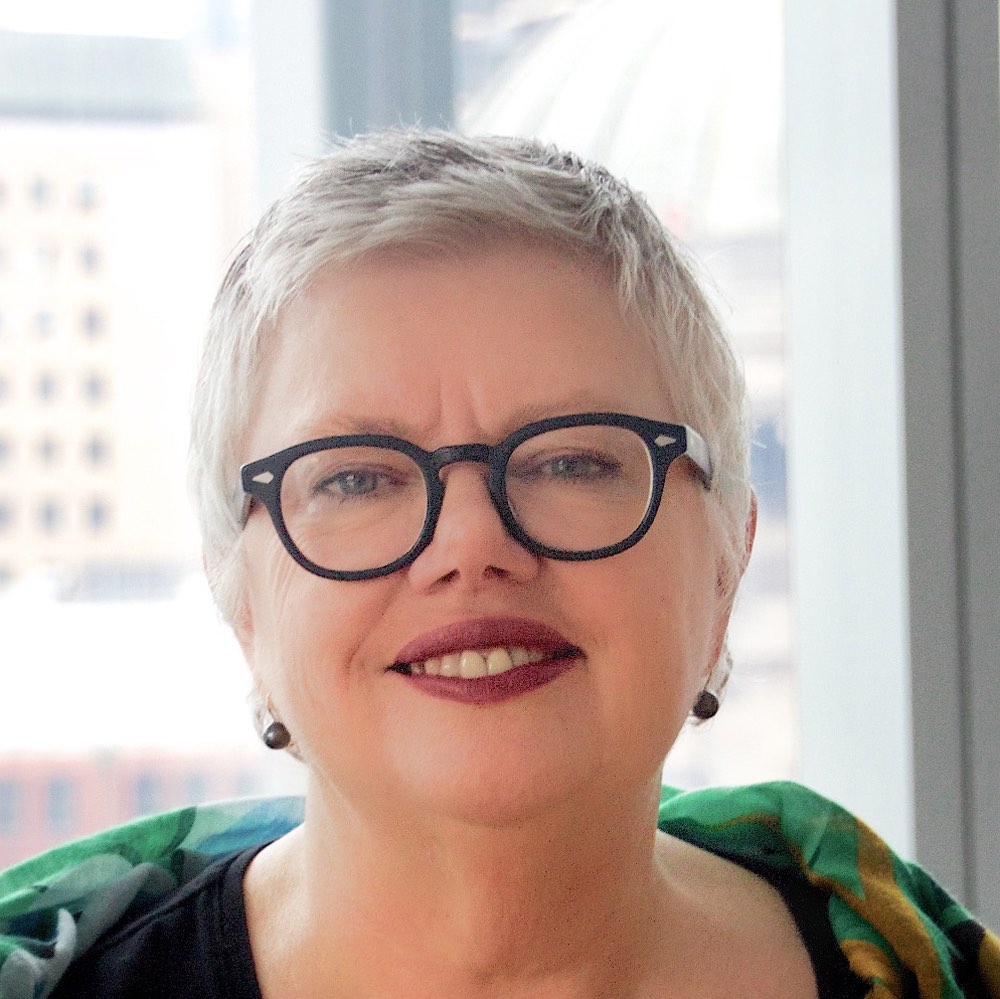
Magistrate Anne Goldsbrough AM

Chair of the Board

Anne joined the board in November 2018. Anne is Chair of the Board and a member of the People and Governance Committee and the Finance, Risk and Audit Committee.
Judy Small AM

Director

Judy joined the Board in February 2023. Judy is a member of the People and Governance Committee.

Delia McIver

Director

Delia joined the Board in May 2017. Delia is Chair of the People and Governance Committee.
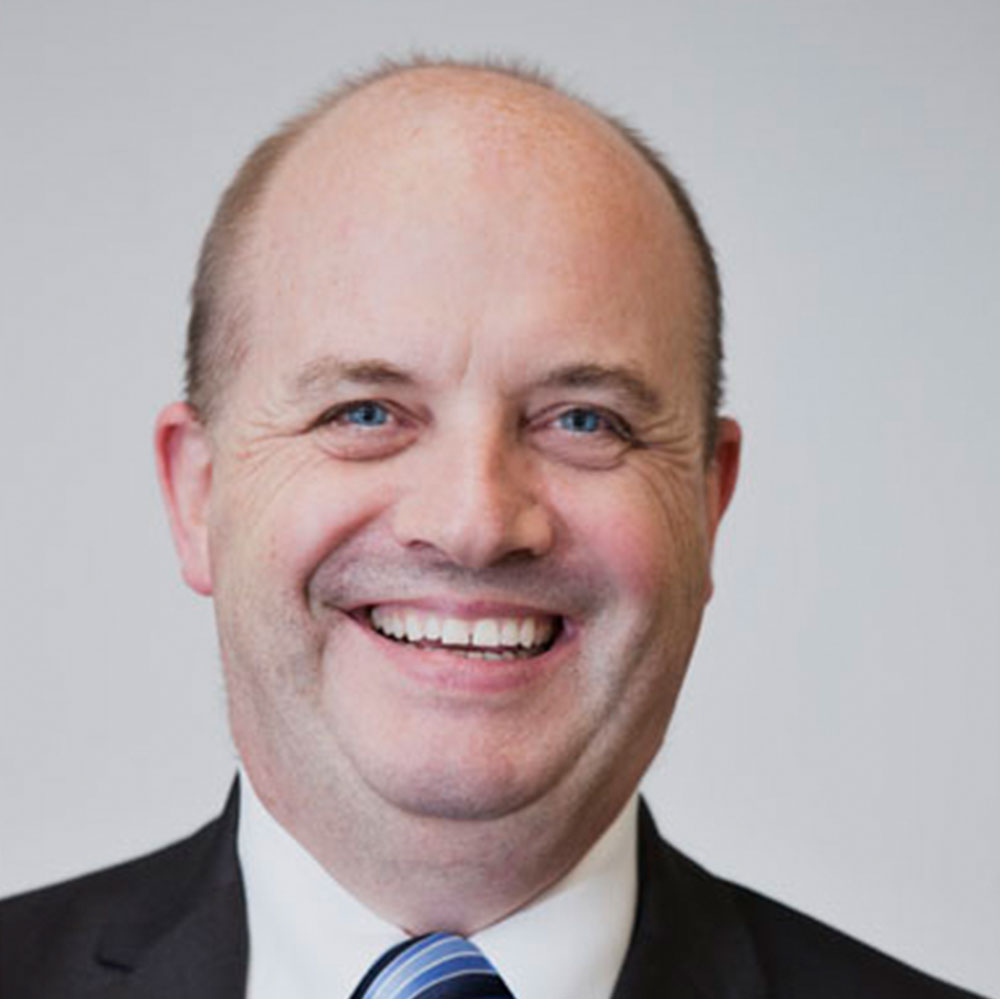
David Speyer

Director

David joined the Board in October 2014. David is a member of the Finance, Risk and Audit Committee.

Gary Button

Director and Treasurer

Garry joined the Board in March 2023. Garry is Chair of the Finance Risk and Audit Committee.
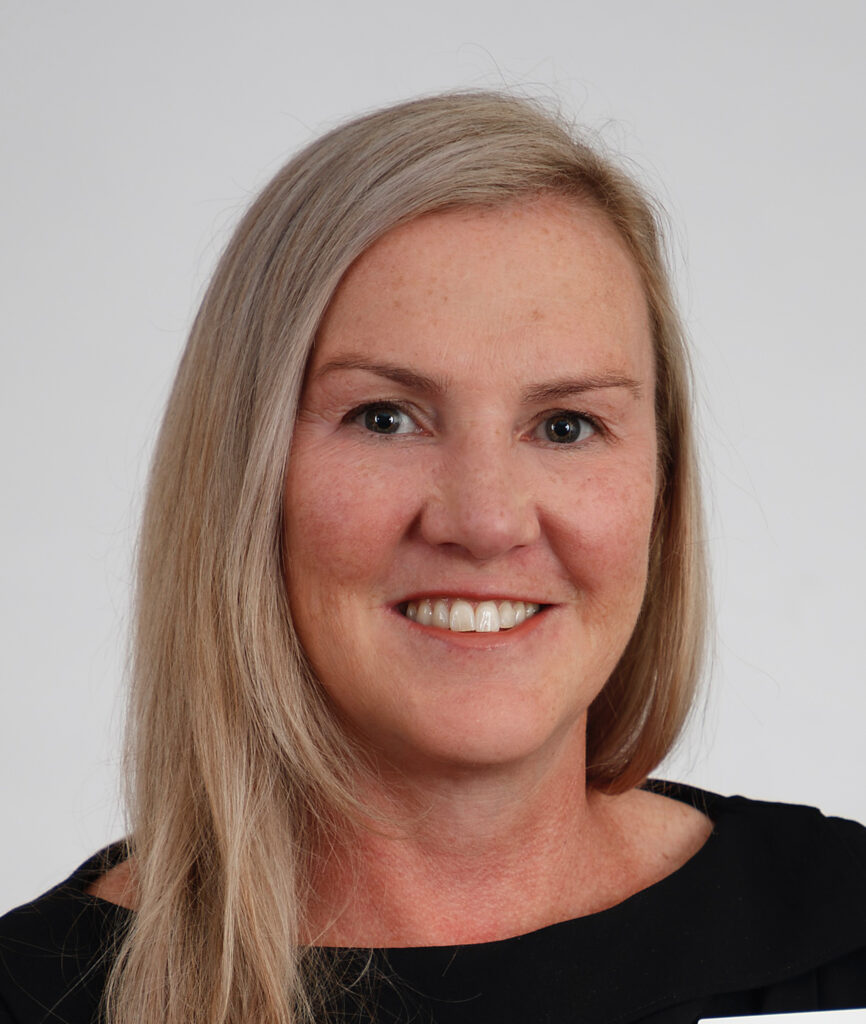
Adj Associate Professor Helen Cooper

Director

Helen was appointed to the Board of Better Place Australia in November 2024. Helen is a member of the Finance, Risk and Audit Committee.
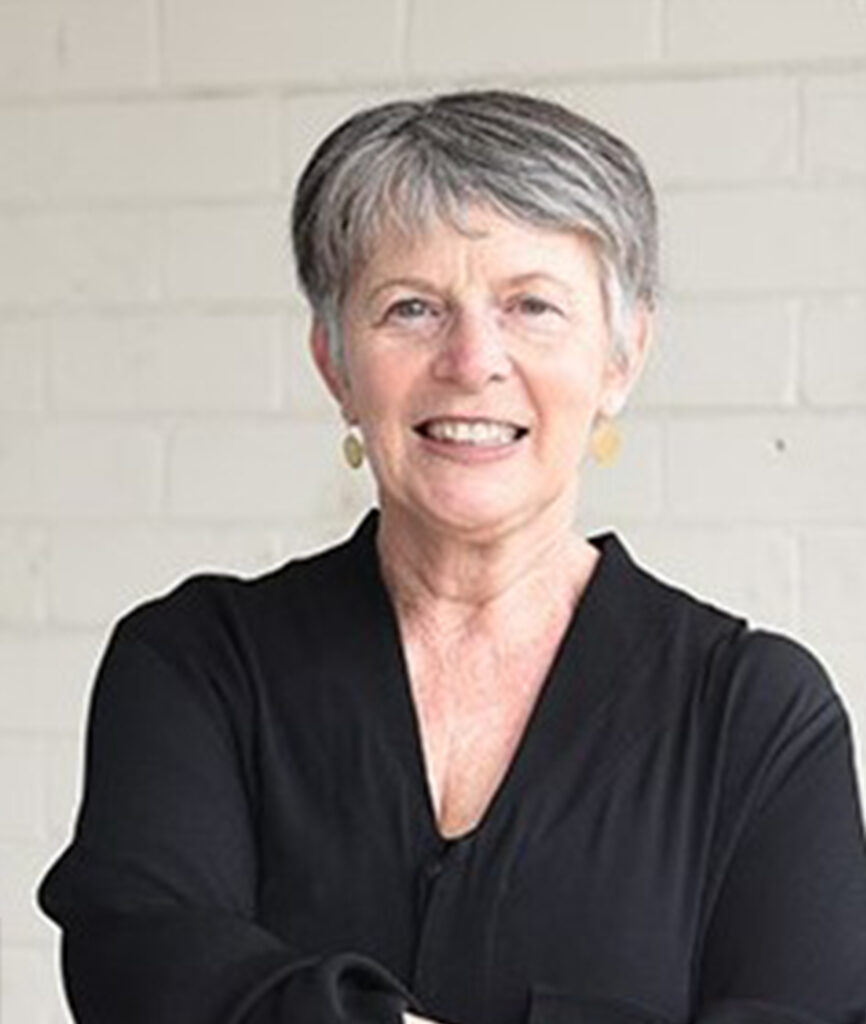
Terri Smith

Director

Terri Joined the Board in November 2024. Terri is a member of the Finance, Risk and Audit Committee.

Dr Joy Humphreys

Director

Joy joined the Board in November 2024. Joy is a member of the People and Governance Committee.

General Management & Executive Leadership Team

Serge Sardo

Chief Executive Officer (Retired 7 August 2025)

Serge has over 15 years of experience in the not-for-profit and government sectors. He is a registered psychologist with an MBA, and has expertise in preventative programs, social policy, and advocacy.
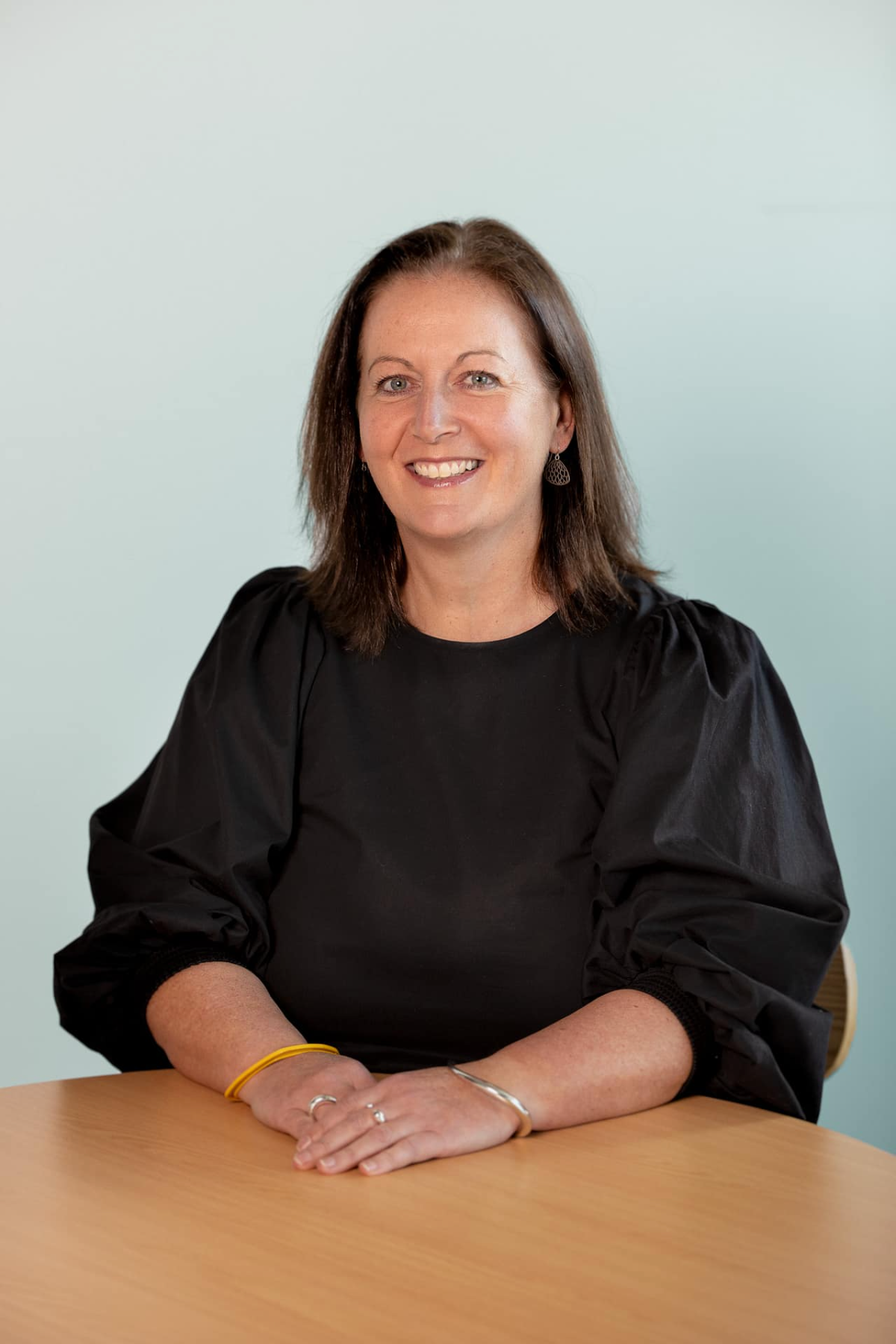
Kirstan Corben

Chief Executive Officer

Kirstan Corben, CEO of Better Place Australia since August 2025, brings over 20 years of leadership experience in health, community, sport, and government sectors. She is committed to equity, wellbeing, and community empowerment.

Graeme Westaway

Executive Manager – Engagement & Growth

Graeme, with a background in science, communication, and services development, leads Better Place Australia’s stakeholder engagement, digital presence and growth. He is passionate about ageism awareness, consumer access and self-determination for clients.

Olivia Darcy

Chief Financial Officer and Company Secretary

Olivia, a CPA with a background in accounting and investment banking, transitioned to the “for purpose” sector after working as CFO of a not-for-profit aged care facility. She joined Better Place Australia in 2022.

Craig Dennis

Chief Operating Officer

Craig Dennis, with over 20 years of IT experience, joined Better Place Australia in 2017. His expertise in business automation systems has helped develop new IT strategies.

Maurice Valle

Executive Manager People and Culture

Maurice, with extensive generalist HR experience across various industries, joined Better Place Australia in 2023. Maurice is driven by a relationship-based approach to engaging with staff and stakeholders.
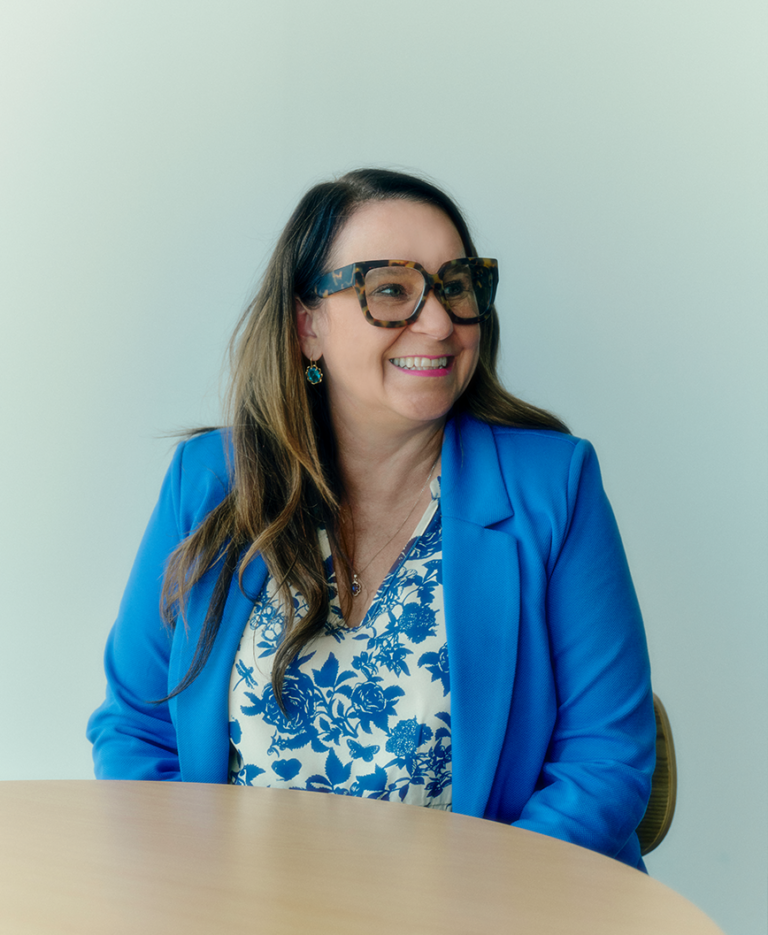
Rhonda Withers

General Manager Elder Services

Rhonda, a Registered Nurse and Senior Healthcare Manager, has over 20 years of experience in aged care. She excels in quality assurance, service delivery, and strategic planning, and is passionate about providing exceptional services for older Australians.
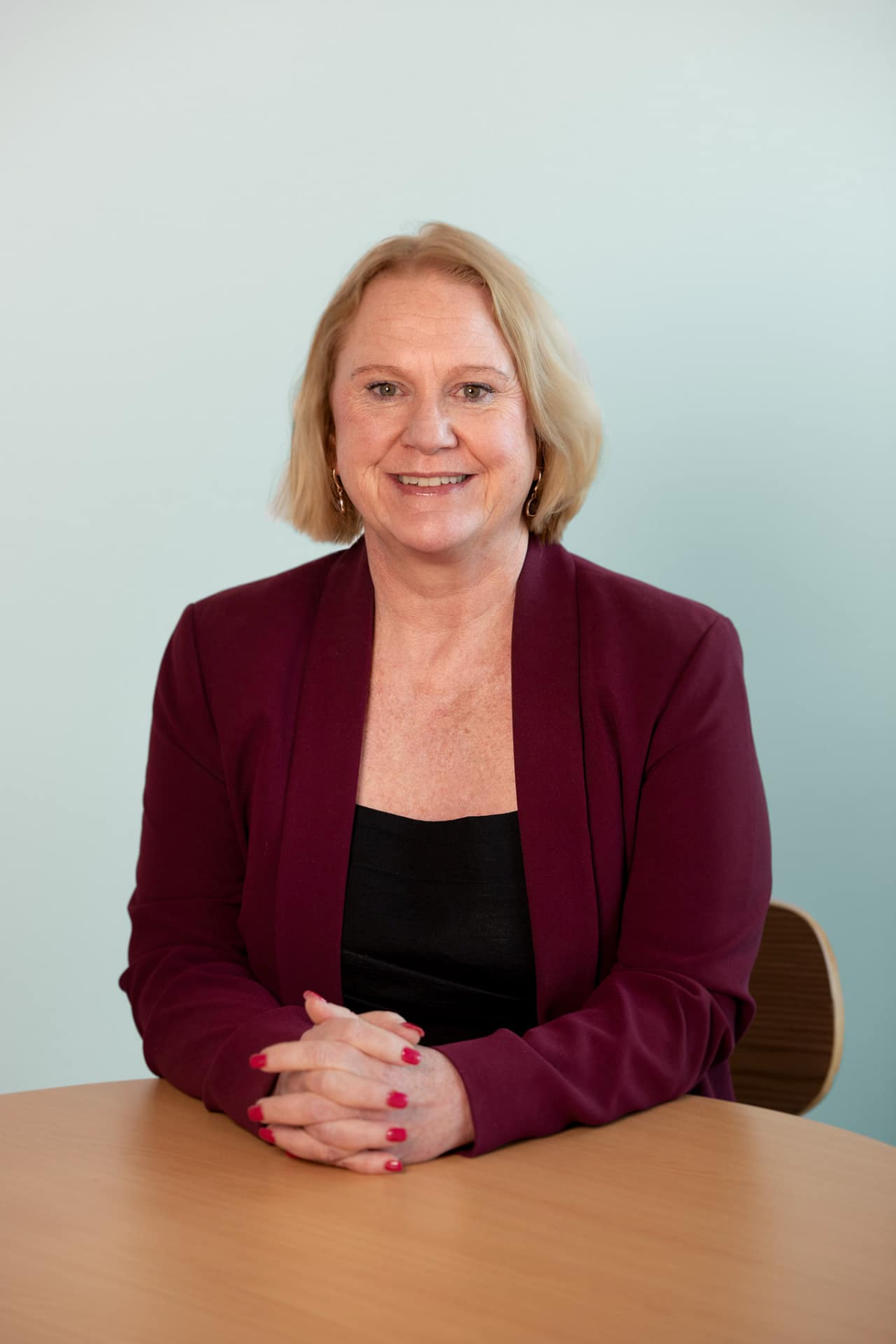
Leanne Lewis

General Manager Mental Health Services

Leanne, a Social Work practitioner with experience in mental health and homelessness, is passionate about delivering high-quality, trauma-informed services. She currently serves as a Director at St Mary’s House of Welcome.

Kristen Poel

General Manager Mediation

Kristen Poel, a Social Worker and Family Dispute Resolution Practitioner, manages Better Place Australia’s Family Dispute Resolution services, focussing on separated families and children’s well-being.

Section 2

Growth and Impact

“Thriving Together” will show our collective progress, demonstrating Better Place Australia’s growth in both reputation raising, and tangible impacts for clients through innovative services, insightful research, sustainable funding, and influential advocacy.

Welcome to Our Services

Accessible Psychological Interventions and Mental Health Counselling

Short-term psychological intervention for clients with mild to moderate mental health issues, who cannot afford the gap fee of most private services.

Care Finder Program

A program that aims to connect and engage older people who have significant difficulty accessing aged care services and are at risk of ‘falling through the cracks’.

Children’s Contact Service (CCS)

Supervised visitation for separated families, as well as a supervised changeover service for parents with shared care of their child/children.

Better Pride Service

Support for the LGBTIQ+ community in counselling & mediation including donor agreements – a written agreement prior to conception and birth between the intended parent/s and their sperm donor, avoiding potential conflict and distress.

Elder Abuse Prevention Service

The prevention and/or response of any older person experiencing, or suspected of experiencing any form of Elder Abuse, as well as the assistance of older people in cases of family conflict.

Family and Relationship Services (FaRS)

Brief counselling services for Individual Adults/Young Adults and Children experiencing emotional distress due to a family/relationship issues.

Family Dispute Resolution (FDR) and Family Relationship Service (FRC)

The reduction of conflict between parents, resulting in less impact on children and less families accessing family courts to resolve parenting or financial disagreements.

Family Mental Health Support Service (FMHSS)

Early intervention through case management to children and young people and their families up to 18 years of age who have or are showing signs of mental ill health.

Financial Counselling and Capability (FCC)

Information, advocacy and support for people experiencing financial hardship, as well as assistance in areas such as budgeting and financial management.

Hospital Outreach Post-suicidal Engagement (HOPE) Program

Practical, non-clinical support following a suicide attempt or suicidal ideation, assisting individuals and their families by linking them with appropriate support services to help manage life’s challenges.

Intake and Customer Service

Customer Service answers calls coming into Better Place Australia and are therefore the first point of contact for existing clients, new clients, referrers and anyone calling Better Place Australia for any reason. Intake conducts initial screenings, assessments and risk assessments for all new clients coming into a service with Better Place Australia.

Residential Aged Care Facilities (RACF) Psychological Services Program

Short-term focused psychological therapy to residential aged care residents experiencing, or at risk of developing, mental health problems such as adjustment difficulties, depression, anxiety, risk of self-harm, and suicidal ideation.

Supporting Children After Separation Program (SCaSP)

Support for the wellbeing of children between the age of 5 and 18 years from separated or separating families who are experiencing issues with difficult family relationships.

Model of Care

Better Place Australia’s Model of Care brings together nearly 30 years of experience in supporting individuals and families across Victoria. The model is built on six elements underpinned by five key service principles.

Elements

Trauma-informed principles and evidence-based practice are at the core of our service delivery. We pursue partnerships and collaborations so clients receive integrated care instead of fragmented support. Our skilled staff uphold our values and commitment to service excellence so that every step of the client journey feels seamless and supportive.

Service Principles

Our services are shaped by the client voice and lived experience while also being culturally safe, trauma informed, child safe and family violence safe. This commitment enables us to create spaces where people feel protected, respected and secure enough to explore their perspectives and experiences. And in prioritising our clients’ self-determination, we also empower them to make their own life choices. 

Our Impact

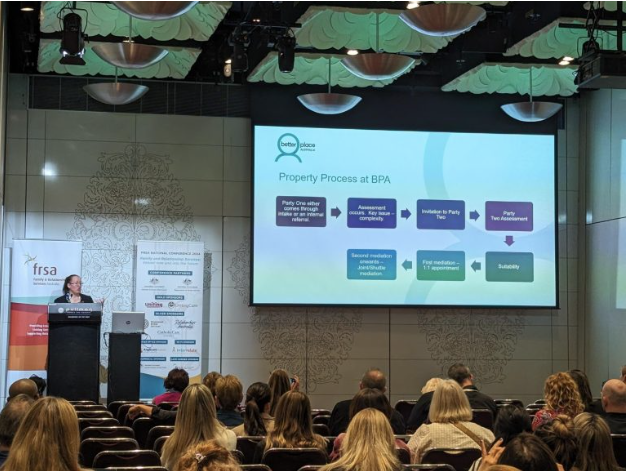
Spotlight on family well-being at the 2025 FRSA conference

Our team proudly represented Better Place Australia at the Family & Relationship Services Australia (FRSA) National Conference in Sydney this year, where we showcased the vital family and relationship services we deliver across Victoria. It was an inspiring opportunity to share our work, exchange ideas, and learn from others shaping the future of family wellbeing.
Research That Drives Change

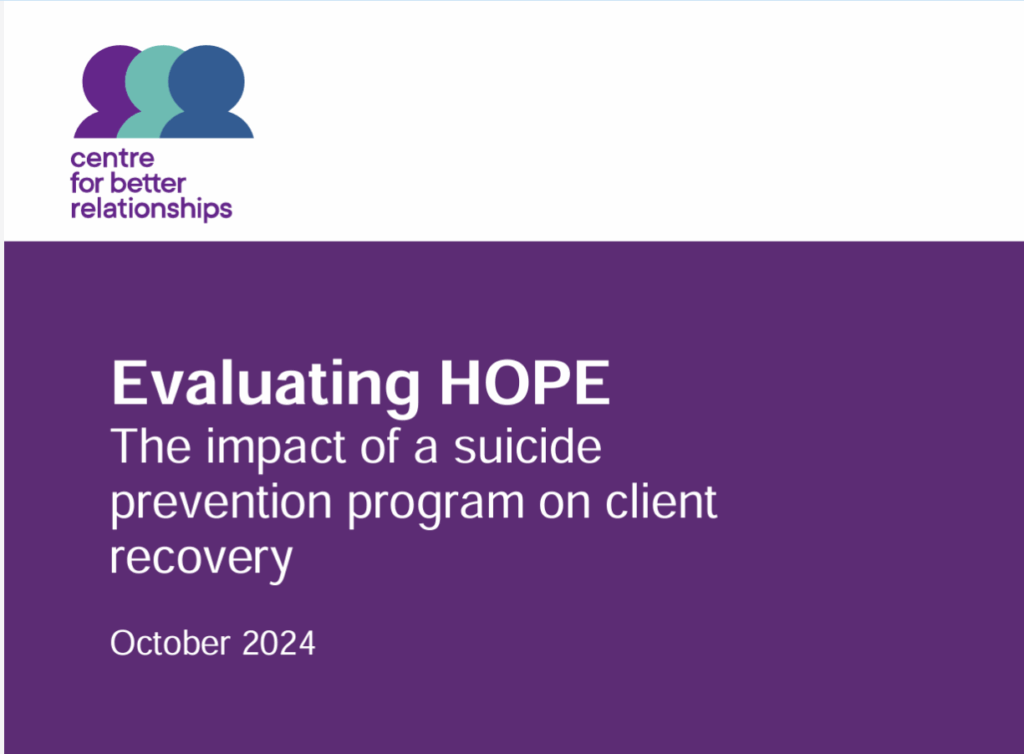
This year, the Centre for Better Relationships led several key research projects and submissions, deepening our understanding of family wellbeing, mental health, ageing, and safety. Highlights included Evaluating HOPE: The Impact of a Suicide Prevention Program on Client Recovery, submitting a detailed response to the National Plan to End the Abuse and Mistreatment of Older People, and exploring older Victorians’ preferences for elder abuse support. The Centre also examined transitions into residential aged care and gathered practitioners’ insights on coercive control, ensuring that client experiences and practitioner perspectives continue to guide and strengthen our work.
Spotlight on family well-being at the 2025 FRSA conference

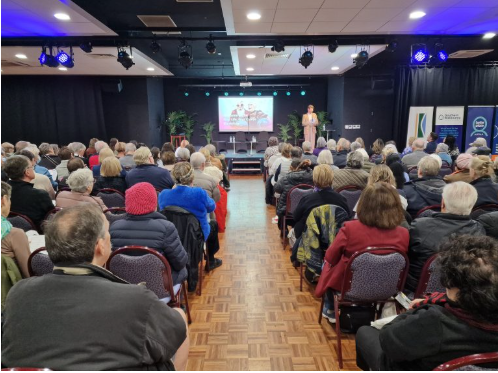
In 2024, Better Place Australia was out and about to share knowledge and connect older people and the sector to promote safety, independence, and wellbeing. Our team presented at the 2024 Australian Elder Abuse Conference, exploring Intervention Orders and risks in residential care. In July 2024, we engaged attendees at the Geelong Aged Care Expo with practical tips on staying safe at home or in care. We also delivered another ‘Your Life Your Choice’ workshop in Greek at the Moorabbin Greek Senior Citizens Club as part of World Elder Abuse Awareness Day 2024 , and joined the Your Home Your Choice Forum at Glen Eira Auditorium to celebrate ways older people can thrive independently in their own homes.
Amplifying voices across generations

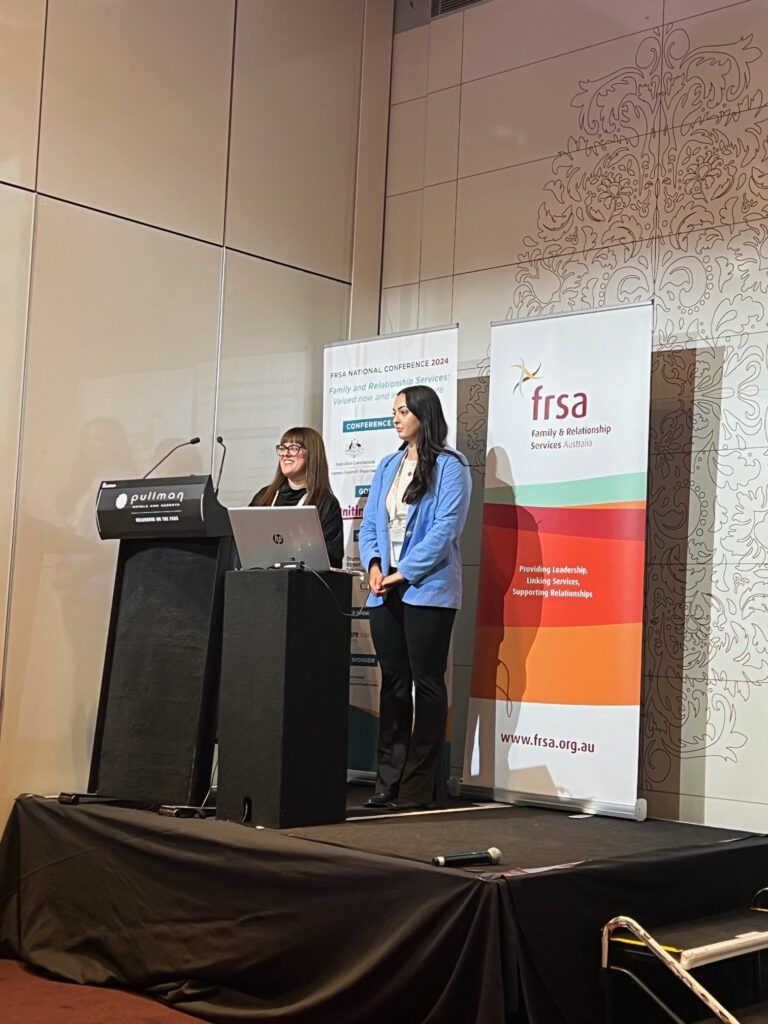
Our Child Counselling team took the stage at the FRSA Child Inclusive Practice Forum in Canberra to present ‘Utilising Child Counsellors in Child-Informed Mediation: Learnings in Practice’ and share insights on how child counsellors can strengthen mediation outcomes for families. Meanwhile, at the Elder Abuse Action Australia’s ‘Dignity in Action’ webinar, our team highlighted the importance of balancing safety with self-determination to show how social workers can respect older people’s voices while protecting them.

SEMPHN’s group therapy program empowers self-understanding

Launched in 2023, the South Eastern Melbourne Primary Health Network’s (SEMPHN) group therapy program supports adults experiencing mild anxiety or depression. This year the program was extended. Participants have shared that the sessions helped them better understand their mental health and the ways it affects their daily lives, giving them tools for greater self-awareness and wellbeing.
Building families with care through donor agreements

Better Pride’s newly developed Donor Agreement service supports LGBTIQ+ individuals and couples using a known donor to create a family. It reduces potential conflict by helping all parties clarify intentions, roles and care arrangements before conception.
Striving to provide great service

This year’s client satisfaction survey confirmed what we see every day – our services aren’t just meeting needs, they’re exceeding expectations and making a real difference in people’s lives.

Advocacy

Centre for Better Relationships

Centre for Better Relationships: Where evidence meets action

The Centre for Better Relationships is where data is turned into action. Our research and policy work explores the complex social systems that impact people’s lives to create positive and lasting change for our clients, the communities we serve and the broader services sector. 

This year, the Centre strengthened its purpose through new structures and governance. Among the key changes was welcoming a Policy and Advocacy Assistant to expand our capacity to develop submissions and contribute to our policy agenda. 

This ensures that our research goes beyond the page to inform practice, spark debate and shape the systems that surround our services. 

Over the past year, the Centre has focused on four key projects:

Older Victorians’ preferences for elder abuse service models 

We asked older Victorians what support they wanted if they were mistreated by a family member or carer. Their response was clear: they want services that empower them to find a resolution, not systems that presume protection is required rather than agency and self determination. Many also said shame, fear of escalation and a reluctance to be a troublemaker stopped them from seeking help. 

These insights highlight the need for services tailored to individual circumstances rather than a one-size-fits-all protection based response that can be adversarial and strain family relationships. We shared the findings widely – through government submissions, sector forums and the Community Care Review – to ensure the voices of older people guide the design of future services.

Transition into aged care 

Moving into residential aged care is a major life change. Through surveys and interviews with residents, families, nurses, and personal care assistants, we explored how this transition affects mental health and wellbeing. The analysis is now underway and will help us identify how our services can better support residents during this vulnerable period in their lives.

Capturing children’s voice within a Children’s Contact Service 

Children’s Contact Services provide safe spaces for children to spend time with a parent they don’t live with when their parents can’t manage their own care arrangement. Our project aims to capture the children’s perspective of this service by using our own tools that will be rolled out next year. 

At the FRSA National Conference, our Research Officer, Dr Sarah Marko presented on both the project and the challenges of including children’s voices within complex family services.

Practitioners’ perspectives of coercive control 

In 2020, we surveyed our own practitioners on their perspectives of coercive control. This year, we repeated the survey to track shifts in perspectives. By comparing both sets of responses, we can identify trends and pinpoint areas for future training and professional development. 

The Research Team 

The Centre is powered by a small, dedicated team of two personnel with ad hoc support from Better Place Australia’s Business Analyst.

Dr Sarah Marko, Research Officer  

Sarah holds a PhD from Deakin University and has a background in public health and health promotion. Her expertise lies in qualitative public health research that captures people’s perspectives and lived experiences of gambling-related harm.  

Sarah is particularly interested in understanding factors beyond an individual’s control that influence people’s health and wellbeing. She’s passionate about producing research that informs real and lasting change in policy and practice. 

Tegan Linford, Policy and Advocacy Assistant 

Tegan holds a BSc (Psych) and a Master of Arts in Forensic Psychology from John Jay College of Criminal Justice. She has a background in quantitative data visualisation and academic research into investigative interviewing and sexual homicide. Tegan is passionate about using research to address mental health inequities, inform advocacy and influence policy change. 

Dr Laila Hugrass, Ad Hoc Research Support

Laila  is a specialist researcher and data analyst who has conducted research in art therapy and cognitive neuroscience at La Trobe University, Swinburne University and the Australian Catholic University. With expertise in data management, applied statistics, quantitative analyses, data visualisation and data storytelling, she ensures complex findings are communicated in ways that are clear, engaging and accessible to non-academic audiences.

Supporting Children

Making services child-friendly

Putting children at the heart of support 

Separation is an increasingly common experience for families. While family conflict and separation can impact children in challenging ways, counselling for children and young people can help reduce these effects and foster resilience. 

By providing children and young people with a voice, the negative impacts of family conflict and separation can be reduced through opportunities for decision-making in the care that they receive. 

The second National Principle for Child Safe Organisations states that children and young people should be informed about their rights, involved in decisions that affect them, and taken seriously. This aligns with Article 12 of the UN Convention on the Rights of the Child, which emphasises every child’s right to be heard.

In keeping with these principles, we developed two child-friendly booklets on counselling and mediation to help children feel safe and supported when accessing our Child Counselling and Child Inclusive Mediation services.

Written in child-friendly language and brought to life with colourful illustrations, the booklets explain counselling, child-inclusive mediation, and confidentiality – all through the eyes of a friendly central character who guides children along the way. The booklet places the child at the centre of the story, ensuring their voice, feelings and sense of safety are prioritised.

To prepare children before they engage with one or both of these services, we send the booklet to the child’s home and guide parents in the use of the booklet.

With separation affecting tens of thousands of Australian families each year, open, age-appropriate conversations can make a lasting difference in helping children feel seen, heard, and supported.

Supporting Older People

Standing up for older Australians

Standing up for older Australians

One in six older Australians experience some form of elder abuse each year. For Victoria, this equates to 163,500 at risk. In Victoria family violence cases access the family violence system through The Orange Door, in the last twelve months only 2.9% of all cases responded to were from people over the age of 65. 

The reality is stark: elder abuse is widespread, underreported and often invisible.

At Better Place Australia (BPA), we see this reality every day. As Victoria’s only specialist family violence service dedicated exclusively to older people, we’ve supported more than 2,000 cases of elder abuse since 2017. While national attention on the issue is growing, we remain concerned that current responses don’t reflect the lived experiences of older people themselves.

Why prevention must be at the heart of ending elder abuse

This year, we welcomed the release of the draft National Plan to End the Abuse and Mistreatment of Older People 2024–2034. It’s an important step, but in our submission to the Federal Government in August 2025, we made it clear that the plan still falls short of driving meaningful change.

The plan outlines broad goals but lacks concrete actions, a clear funding roadmap and recognition of the complex realities of elder abuse. Without these, it risks becoming disconnected from the people it’s meant to protect.

Through our work, we know that many older Australians experiencing abuse don’t necessarily want to pursue legal action or contact police for an intervention. They may prefer case management, mediation, and advocacy – services that preserve dignity and autonomy. Yet, the Federal Government approach to date continues to lean heavily on legal responses, leaving community-based supports underfunded and older people not accessing the system. 

Our position is clear: prevention must be central to any response. This means investing in early intervention, education and family-centred approaches, alongside legal options. It means funding the services older Australians actually want – advisory and mediation support, trusted referral pathways and caseworkers who understand the unique challenges of ageing and family dynamics.

Specialist services need the right support

The risks of ignoring this are significant. Elder abuse is often hidden behind closed doors, driven by shame, fear of escalation or reluctance to be seen as a burden. 

In a survey we commissioned with the Centre for Better Relationships, one in five older Victorians said they would be unlikely to seek help if mistreated by a family member or carer. Men, in particular, were far less likely than women to reach out. These findings highlight just how complex and sensitive the issue is, and why nuanced, non-legal interventions matter.

Our track record shows what’s possible when specialist services are properly supported. From auspicing an Elder Abuse Prevention Network focused on raising awareness of ageism to embedding our specialist workforce across The Orange Door network, we’ve built a model that is trauma-informed, relationship-centred, and culturally aware. Limited funding has constrained our ability to meet demand, leaving too many older people without the right help.

If the National Plan is to succeed, it must build on this evidence. It must listen to older Australians, fund the services they actually prefer to use and commit to real, measurable actions. Otherwise, it risks being what we have called a ‘castle in the air’, a vision floating above the realities of overstretched frontline systems and the lived experience of older Australians.

A vision we can achieve

Ending elder abuse is possible. But it will take more than good intentions. It requires investment, integration, and the courage to put prevention first. 

At Better Place Australia, we will continue to advocate, innovate and stand alongside older Australians, until every older person can live with the dignity, safety and respect they deserve.

Social Media and Web Presence

At Better Place Australia, we pride ourselves on providing accessible and inclusive support, no matter where in Victoria you are. To that end, Better Place Australia continued to leverage various online platforms to extend our reach and further promote our services throughout 2025. 

Throughout the year, clients reached us through:

Website

Referrals

Phone

Online Chat

Social Media

Better Place Australia Website

Total Visitors
0
Organic Search
0
Increase in Visitors
0 %
Increase in Key Events
0 %

Top Three Service Pages

Other Most Visited Pages

Financial First Aid Website

Financial First Aid is a resource provided by Better Place Australia that connects people experiencing monetary hardship with resources and assistance to help assert financial independence. In 2025, the FFA website saw:

Total Visitors
0
Organic Search
0

Most Popular Pages

Centre for Better Relationships Website

The Centre for Better Relationships is the research and policy arm of Better Place Australia. Throughout 2025, they conducted crucial work that supported Better Place Australia’s services.

Total Visitors
0
Organic Search
0

Most Popular Pages

Social Media Campaigns

This year, we continued our social media efforts, advertising our services and celebrating our many achievements. As the numbers below demonstrate, we have achieved significant engagement, which has created more opportunities for people to discover our services.

Impressions
0
Link Clicks
0

Most Popular Campaigns

Reach
0
Impressions
0
Reach
0
Impressions
0
Reach
0
Impressions
0

Technology

To ensure ease of access for our clients, we have optimised our online presence for both desktop and mobile devices. The numbers below suggest that this has proven successful.

Sessions
0
Sessions
0

Section 3

Unity and Integration

Our People

Listening, learning and connecting with Pride

At Midsumma Carnival 2025, we invited LGBTQI+ community members to share what makes a better relationship. The top three responses from over 150 people were: open communication, embracing individuality and building relationships that honour personal values and identities. These insights go beyond traditional advice to celebrate inclusion and the diversity of connection within the community.

Since achieving Rainbow Tick accreditation in 2024, Better Place Australia has continued to strengthen inclusive and culturally safe practice across all programs. Guided by our LGBTIQ+ Working Group and Community Advisory Groups, we’re embedding inclusion into policies, staff training, and services such as the Better Pride website and Donor Planning Service.

Sharing knowledge, strengthening impact

Better Place Australia proudly shared its expertise at key national and regional conferences. At the Pacifica Congress Conference, we joined family law leaders from across the Pacific to exchange insights and innovative approaches for supporting children and families. 

At the Family and Relationship Services Australia (FRSA) Conference, our team presented three sessions — Highlighting Children’s Voices: Evaluating a Children’s Contact ServiceSexual Assault and Intimate Partner Violence: How Does This Present for an Older Woman?, and Integrating & Empowering the Child’s Voice Into Separation — which sparked strong engagement and interest in our Child Counselling resources. 

We also contributed to the FRSA Child Inclusive Practice forum, the Your Home Your Choice forum, and the Victoria Police Professional Development Day on Elder Abuse, continuing to strengthen collaboration and advocacy across the sector.

Conversations That Inspire Change

As part of our Lunchtime Learning Series, Better Place Australia hosted inspiring sessions that sparked reflection and growth across our teams.

During National Reconciliation Week, the RAP Working Group welcomed James Williams, a proud Wakka Wakka man, who shared personal stories and reflections on working together toward a more just and inclusive future. His session encouraged meaningful conversations about allyship, respect, and action.

The Centre for Better Relationships also led an engaging session unpacking findings from an internal survey on coercive control in practice. The discussion deepened understanding of this complex issue and informed how we continue to strengthen our professional development and client support.

Celebrating our people and prioritising their well-being

Each month, we take time to come together — to celebrate birthdays, acknowledge important awareness days like IDAHOBIT, NAIDOC Week, Mental Health Month, Ageism Awareness Day, and Refugee Week, and recognise the diverse and inclusive community we continue to build.

Supporting our team’s wellbeing remains at the heart of what we do. From annual flu shot reimbursements to our Employee Assistance Program, we’re committed to creating a healthy, supportive workplace where everyone feels valued and cared for.

Staff

Our 2025 Staff Engagement Survey showed that Better Place Australia is thriving, not only in our service delivery, but also in how workplace culture. Results across the three key measures of engagement, well-being and progress, results were higher than in the 2023 survey and consistently at or above sector benchmarks for Community and Advocacy Services.

Engagement levels reached 82%, reflecting the deep satisfaction and commitment of our staff to their roles and the organisation. Well-being came in at 73%, showing that most of our people feel emotionally supported in the workplace. Progress had a 79% rating, demonstrating confidence in Better Place Australia’s direction and performance as we continue to grow.

The comments behind these numbers speak volumes. Staff described their colleagues as “passionate, experienced and motivated by a genuine love for the work.” They highlighted the positive, collaborative environment where cross-functional teamwork is encouraged and valued, and they recognised Better Place Australia’s commitment to fostering a safe, empowering culture. 

Many also spoke of the organisation’s strong advocacy for both clients and staff, and the sense of inclusivity and welcome that defines our workplaces.

These results show that Better Place Australia is more than a workplace, it’s a community. Within this community we have 21% of our staff coming from Culturally and Linguistically Diverse backgrounds. Our people are engaged, motivated and proud to contribute to meaningful change, and this collective spirit is central to how we’ll continue thriving together.

Case Studies

Relationship Counselling

Finding clarity through connection

Finding clarity through connection

How one couple learned to communicate with care and courage — and discovered peace in honesty.

When they first approached Better Place Australia for relationship counselling, Evan (40) and Julie (35) had been through years of conflict. Evan had shut down, withholding his emotions and avoiding difficult conversations. Julie, on the other hand, coped by expressing her emotions openly and urgently. 

Over time, Evan became critical of Linda’s emotional expressivenessJulie internalised his criticism, trying to reshape herself into the kind of partner she thought he wanted. That effort only deepened her resentment and disempowerment. 

By the time they self-referred to Better Place Australia, both felt deeply disconnected and unsure whether their marriage could be saved.

A blended approach

Although individual counselling was offered, Evan was already engaged with a psychologist and Julie preferred to focus on couples work. The counsellor also discussed the impact of the conflict on their three daughters and provided information about support services available for children.

From the outset, the couple’s goals were clear: to improve communication, learn to navigate conflict more constructively, and determine if their relationship could be rebuilt on mutual respect and connection.

The counsellor used a blend of interventions to help Evan and Julie understand the emotional undercurrents of their conflict and to realise that behind their defensive patterns were deeper needs for safety, validation, and connection.

They practiced slowing down reactive responses, accessing their primary emotions and then sharing these feelings with each other. The counsellor also helped them strengthen their communication skills, understand the foundations of a healthy partnership and recognise the negative patterns that had impacted their relationship. They learnt repair strategies to de-escalate conflict and develop active listening, validation, and empathy.

A compassionate ending

Over 13 sessions, Evan and Julie gradually rebuilt the ability to speak honestly and listen without defensiveness. By the end of the process, they were ready to face a difficult truth: while they had entered counselling hoping to save their marriage, what they ultimately found was clarity and compassion in letting goNaming divorce as a real and respectful option brought them a surprising sense of relief and even closeness.

Julie described feeling empowered to honour her own needs without guilt or self-betrayal. Evan, too, found his authentic voice, expressing his emotions with honesty for the first time in years. Both reported a deep sense of respect and care for one another as co-parents and individuals who had learned to communicate with courage and kindness.

Mental Health Support for Families

Setting a family on a path of steady progress and hope

Setting a family on a path of steady progress and hope

After nearly two years of school refusal and growing isolation, two brothers and their mother found their way back to structure, confidence, and connection with the right support at the right time.

When the Frank family was first referred by the boys’ secondary school, the situation was grave. Craig (16) and Ben (13) hadn’t attended school for nearly 18 months and Child Protection had gotten involved. 

Both boys spent most of their time gaming online, rarely left the house and had poor daily routines. Child Protection had tried to connect them with services but the boys were too anxious to engage. They also worried about their peers’ reaction if they returned to school and lacked the confidence to face that.

Their parents were separated, with their Joe (45) having minimal contact with them, and Liana (44) struggling with alcohol use, depression and trauma. This dynamic deepened the boys’ anxiety. 

When Child Protection warned that the boys could be sent to live with Joe if they didn’t return to school, it was a turning point. Liana had already lost one child this way and was determined to not experience this loss again.

An empathetic approach

The Mental Health Clinician worked closely with the family to rebuild structure, connection, and confidence. The first steps were small but vital: psychoeducation around sleep and hygiene, and creating consistent daily routine to establish a sense of purpose and motivation in their days.

Then, they set achievable goals for addressing their school anxiety and getting them back to regular attendance through collaboration with the school’s Student Support Group. 

To help the boys reconnect socially, the clinician provided social skills training and confidence-building exercises. A strengths-based approach helped each of them recognise their unique interests and talents, fostering self-worth. Anxiety management strategies were also introduced, like breathing exercises, grounding techniques and personalised calm-down plans using tools like the feelings thermometer.

The clinician also worked with the boys to identify early signs of anxiety and introduced mind–body awareness activities to help them connect their physical sensations with emotions. Emotion coaching and reflective listening created space for them to express their feelings safely and develop emotional literacy.

Liana was provided with parental education and practical tools to establish consistent routines and respond calmly to her sons’ anxiety. She was linked with an individual counsellor at Better Place Australia to address her own wellbeing, and received a voucher to purchase fitness equipment to encourage physical activity as part of the family’s healing process.

Calmer and more connected

By the time the case was closed, Craig and Ben had made significant strides. They were sleeping better, attending school regularly and showing reduced anxiety. Their relationship with Liana had grown stronger and more stable.

Liana in turn, had re-engaged with her own life. She attended counselling, began a Barista Course, and made plans to return to work. Most importantly, she started taking time to socialise and care for herself, something she hadn’t done in years.

The home was calmer, routines were in place, and the family was functioning well without external intervention.

Respecting Elders Program

Restoring independence and family harmony

Restoring independence and family harmony

Many older people feel alone when dealing with family conflict, especially if they still want to maintain their relationship with their loved ones. These two videos tell the stories of two older women who felt powerless after being taken advantage of by their adult children.

Older person forced to live with adult child

An elderly lady had no choice but to live with her son and his extended family after an act of financial generosity went awry. As anger and tensions mounted at home, she contacted Better Place Australia and is now living in a Residential Aged Care Facility of her choice without severing family ties.  

Adult children held sense of entitlement over mother

A mother’s spontaneous favour for one child ended up with her other children pressuring her to do the same for them in the name of equality. Better Place Australia stepped in to facilitate a family meeting which resulted in the children focusing on their mother’s needs instead of their sense of entitlement.


Family Dispute Resolution (FDR)

Finding common ground through FDR

Finding common ground through FDR

Through open conversation and child-focused support, two parents found a way to move beyond disagreement and work together to meet their children’s mental health needs.

When Carol (39) and James (39) first came to Family Dispute Resolution (FDR), they were struggling to find a way forward. Despite having Family Law Court orders in place, disagreements were escalating, particularly around the engagement of health professionals for their two children, Bonnie (9) and Jason (14).

Both parents were deeply concerned about their children’s mental health and recognised the need for professional support. However, they couldn’t agree on which services to use. At times, one parent would engage a provider but the other would revoke consent, leaving the children without consistent help. As the situation continued, both parents noticed their children’s wellbeing declining and felt an increasing urgency to address it.

A focus on the children

Through FDR, both parents were given a space to talk openly about their children’s needs. The Family Dispute Resolution Practitioner (FDRP) guided these discussions with a child-focused approach, helping Carol and James move past their differences and focus on their children’s well-being.

The FDRP worked collaboratively with them to explore practical, sustainable mental health support for the children. A referral was made to the Supporting Children After Separation Program (SCASP) so both children could access appropriate counselling. Meanwhile, Carol was referred to Family and Relationship Services (FARS) for individual support to strengthen her own well-being. The parents also agreed that one child would undergo a cognitive and ADHD assessment with a psychologist.

Across two sessions, the FDR process helped Carol and James move from conflict to cooperation. One parent, who has ADHD, requested a support person present to help retain information, which ensured both parents could participate on equal footing.

The FDRP also used child-focused interventions throughout, encouraging each parent to reflect on the children’s immediate and long-term needs. A key shift occurred when both parents recognised that, for the children’s best interests, they needed to focus their communication solely on health and well-being matters, and avoid conversations that reignited old disputes.

Building agreement and moving forward

The parents reached full agreement on the mental health support required for both children. They decided to move their communication to a parenting app to enable more respectful communication. 

The FDRP also supported the parents to consider short and long-term options for care. This included the SCASP referral for immediate support while awaiting assessment outcomes, giving the children timely access to help and continuity of care.

What began as a situation of ongoing disagreement and frustration became a story of understanding and cooperation. Through FDR, both parents were able to reconnect with a shared sense of purpose: supporting their children’s mental health and stability.

Financial Counselling

Finding relief through financial advocacy

Finding relief through financial advocacy

Through timely advocacy and compassionate support, a Financial Counsellor helped a client in crisis navigate overwhelming debt, avoid court action, and regain a sense of stability and hope.

When Edward (52) was referred to the HOPE Team by Monash Health for suicide prevention support, it was clear that financial stress was a major contributor to his distress. The HOPE Team recognised that a long-standing debt issue was intensifying his anxiety and referred him to the Financial Counselling (FC) Service for urgent help.

At the time, Edward was deeply worried about an upcoming court hearing scheduled for the next day. The case, brought by a creditor over an old credit card debt, had left him unable to sleep and overwhelmed by fear of what might happen. 

Edward was unemployed, receiving JobSeeker payments, and living with his parents while hoping to regain independence. Alongside his financial difficulties, he was also experiencing substance use challenges and suicidal thoughts.

A case for compassion

Given the urgency of the situation, the Financial Counsellor acted quickly. Together with Edward, they phoned the law firm representing the creditor to seek a resolution before the court hearing. Because Edward didn’t have legal representation and struggled with online forms, the counsellor advocated strongly for the firm to accept verbal consent for them to speak on his behalf so the matter could proceed without delay.

With Edward’s permission, the counsellor explained his mental health circumstances and outlined that he was effectively “judgment proof.” Edward’s only income was from social security benefits, which are legally protected from court-ordered repayments in Victoria. 

He also had no assets, meaning there was no realistic financial recovery possible for the creditor. The counsellor emphasised that continuing the court action would only worsen Edward’s mental health, without providing any meaningful financial outcome.

The Financial Counsellor provided Edward’s bank statements, proof of income and a letter of medical support to emphasise the severity of his circumstances. Alongside this, the counsellor also requested that the debt be waived entirely on compassionate grounds.

Throughout this process, the counsellor offered Edward reassurance and education, helping him understand that he couldn’t legally be forced to repay the debt. This gave him immediate emotional relief and began to ease his anxiety around the situation.

Looking ahead with support

The advocacy efforts proved effective. The law firm agreed to adjourn the court case and communicate the situation to their client. Although the creditor later declined the debt waiver request, they agreed to take no further action at that time. This pause provided Edward critical breathing space and emotional stability.

With the immediate crisis resolved, the counsellor introduced longer-term options. They discussed voluntary bankruptcy as a possible pathway to permanently release the debt, explaining both the process and consequences in clear, practical terms. Edward was open to the idea but preferred to wait before making a decision.

The counsellor provided written resources and links to the Australian Financial Security Authority (AFSA) website and encouraged Edward to return to the service for further assistance if he decided to apply for bankruptcy.

By stepping in at a critical moment, the Financial Counsellor not only prevented a potentially harmful legal outcome but also helped reduce Edward’s immediate stress and restore a sense of control. With advocacy, compassion, and timely intervention, Edward was able to move from crisis to calm, knowing he wasn’t facing his struggles alone.

Elder Abuse

Paving a path to safety and renewal

Paving a path to safety and renewal

Carmela (70) had migrated from Italy as a young woman with her husband, Giuseppe (73) and they had two sons, Antonio (47) and Luigi (45). Her marriage was marked by years of physical, sexual, psychological and financial abuse. Both sons lived at home and Luigi was his mother’s main source of care and emotional support.

Tragedy struck when Giuseppe and Luigi suddenly collapsed and died within a short time frame. The night before Luigi’s funeral, Antonio sexually assaulted her. Carmela sought treatment in hospital and Antonio was remanded in custody. After her discharge, Carmela was referred to Better Place Australia’s Elder Abuse Services.


Moving towards safety

Better Place Australia immediately implemented safety measures to protect Carmela that began with a visit to her home with an interpreter. They found Carmela was unkempt and wearing unwashed clothes, and the house cluttered to the point of some rooms being inaccessible. A full Family Violence Multi-Agency Risk Assessment and Management Framework, (MARAM screening and elder assessment were completed.

Through their visits, the practitioner learned that Antonio had also subjected her to ongoing financial, emotional and physical abuse, often preventing her from seeking help. Carmela feared seeing Antonio again but still wanted him to inherit her house once Better Place Australia secured her a placement in a Residential Aged Care Facility (RACF).

In the following weeks, Carmela’s cognitive health declined. With her GP’s support, a VCAT application was made for financial and care administration. As Giuseppe’s release from custody approached, the elevated risk referral panel support was initiated to manage the high-risk situation.

Emergency support and safe placement

Upon his release, Antonio returned to the family home, terrifying Carmela. She fled to a friend’s house and contacted Better Place Australia. Police were notified of the breach of the Intervention Order (IVO) and a warrant was issued for Antonio’s arrest.

Recognising the danger, two Better Place Australia practitioners stayed with Carmela for the day to help her navigate urgent safety planning. They noticed large cash withdrawals, raising concerns that she was being coerced into providing money to Antonio. They urgently contacted several RACFs until one facility agreed to take her immediately. Carmela deposited her cash at the bank before moving in and detailed safety planning was completed with the staff at the residential aged care facility

Carmela was later assisted to give an impact statement to Victoria Police, supported by her Better Place Australia Practitioner Though the first VCAT hearing did not grant administration, a second submission succeeded, appointing State Trustees as her legal and financial administrators. The RACF received copies of all relevant orders and safety information.

When Antonio learned of her new residence, RACF staff were provided with his photograph and reminded of the strict IVO conditions. Antonio was remanded in custody for breaching his bail conditions

A new beginning

Today, Carmela is thriving. She told staff she feels safe for the first time in years. She enjoys the food, joins in activities, and has regained her health and vitality. Carmela has since been formally discharged from the Elder Abuse Service,  a testament to her courage and the dedicated support that helped her rebuild her sense of peace and dignity.

Better Pride

From secrecy to self-respect in a hidden relationship

Paving a path to safety and renewal

Carmela (70) had migrated from Italy as a young woman with her husband, Giuseppe (73) and they had two sons, Antonio (47) and Luigi (45). Her marriage was marked by years of physical, sexual, psychological and financial abuse. Both sons lived at home and Luigi was his mother’s main source of care and emotional support.

Tragedy struck when Giuseppe and Luigi suddenly collapsed and died within a short time frame. The night before Luigi’s funeral, Antonio sexually assaulted her. Carmela sought treatment in hospital and Antonio was remanded in custody. After her discharge, Carmela was referred to Better Place Australia’s Elder Abuse Services.


Moving towards safety

Better Place Australia immediately implemented safety measures to protect Carmela that began with a visit to her home with an interpreter. They found Carmela was unkempt and wearing unwashed clothes, and the house cluttered to the point of some rooms being inaccessible. A full Family Violence Multi-Agency Risk Assessment and Management Framework, (MARAM screening and elder assessment were completed.

Through their visits, the practitioner learned that Antonio had also subjected her to ongoing financial, emotional and physical abuse, often preventing her from seeking help. Carmela feared seeing Antonio again but still wanted him to inherit her house once Better Place Australia secured her a placement in a Residential Aged Care Facility (RACF).

In the following weeks, Carmela’s cognitive health declined. With her GP’s support, a VCAT application was made for financial and care administration. As Giuseppe’s release from custody approached, the elevated risk referral panel support was initiated to manage the high-risk situation.

Emergency support and safe placement

Upon his release, Antonio returned to the family home, terrifying Carmela. She fled to a friend’s house and contacted Better Place Australia. Police were notified of the breach of the Intervention Order (IVO) and a warrant was issued for Antonio’s arrest.

Recognising the danger, two Better Place Australia practitioners stayed with Carmela for the day to help her navigate urgent safety planning. They noticed large cash withdrawals, raising concerns that she was being coerced into providing money to Antonio. They urgently contacted several RACFs until one facility agreed to take her immediately. Carmela deposited her cash at the bank before moving in and detailed safety planning was completed with the staff at the residential aged care facility

Carmela was later assisted to give an impact statement to Victoria Police, supported by her Better Place Australia Practitioner Though the first VCAT hearing did not grant administration, a second submission succeeded, appointing State Trustees as her legal and financial administrators. The RACF received copies of all relevant orders and safety information.

When Antonio learned of her new residence, RACF staff were provided with his photograph and reminded of the strict IVO conditions. Antonio was remanded in custody for breaching his bail conditions

A new beginning

Today, Carmela is thriving. She told staff she feels safe for the first time in years. She enjoys the food, joins in activities, and has regained her health and vitality. Carmela has since been formally discharged from the Elder Abuse Service,  a testament to her courage and the dedicated support that helped her rebuild her sense of peace and dignity.

Financial Statements

View our 2024–25 Financial Statements (as at 30 June 2025)

 20252024
Revenue17,069,87716,845,757
Employee benefits(13,949,053)(13,390,118)
Supplies and services(1,527,396)(1,855,464)
Depreciation and amortisation(561,197)(648,400)
Occupancy and utilities(602,430)(404,876)
Surplus for the year429,801546,899

Current Assets

 20252024
Cash and cash equivalents832,7261,330,614
Trade and other receivables930,271651,715
Financial assets at amortised cost4,585,0003,585,000
Other assets437,722361,907
Total current assets
6,785,7195,929,236

Non-Current Assets

Property, plant and equipment7,855,4468,002,652
Total non-current assets
7,855,4468,002,652

TOTAL ASSETS

14,641,16513,931,888

Net Assets

 20252024
NET ASSETS10,232,6889,802,887

Current Liabilities

 20252024
Trade and other payables660,779717,988
Lease liabilities216,460201,517
Provisions1,318,3191,149,505
Other liabilities141,056207,899
Total current liabilities
2,336,6142,276,909

Non-Current Liabilities

Lease liabilities1,692,3601,569,591
Provisions379,503282,501
Other non-current liabilities
2,071,8631,852,092

TOTAL LIABILITIES

4,408,4774,129,001

Equity

 20242023
Accumulated surplus10,232,6889,802,887

TOTAL EQUITY

10,232,6889,802,887

We gratefully acknowledge the financial grants received

Funders

Commonwealth Government

Attorney General’s Department
Department of Social Service

Victorian Government

Department of Families, Fairness and Housing
Monash Health
Local Government – East Gippsland Shire Council 

Primary Health Networks

South Eastern Melbourne Primary Health Network
North Western Melbourne Primary Health Network
Western Victoria Primary Health Network

Philanthropic Supporters

Victorian Law Foundation
City of Kingston
AGL Loy Yang Community Support Fund

Scroll to Top